




Beauty in Black Season 3: What the Explosive Season 2 Finale Signals for the Future
A Franchise on the Rise
Few streaming dramas have generated the kind of sustained momentum seen with Tyler Perry’s Beauty in Black. As the second half of Season 2 arrives on March 19, 2026, the series is not merely continuing its storyline—it is intensifying its narrative stakes, deepening character rivalries, and expanding its cultural footprint.
While an official confirmation of Beauty in Black Season 3 remains pending, the trajectory of the series strongly suggests that another chapter is not only likely but structurally inevitable. The developments in Season 2, Part 2 position the show for a continuation that could redefine its central power dynamics and thematic scope.
Season 2, Part 2: The Turning Point
The latest installment consists of eight episodes released simultaneously on Netflix, marking a critical inflection point in the story.
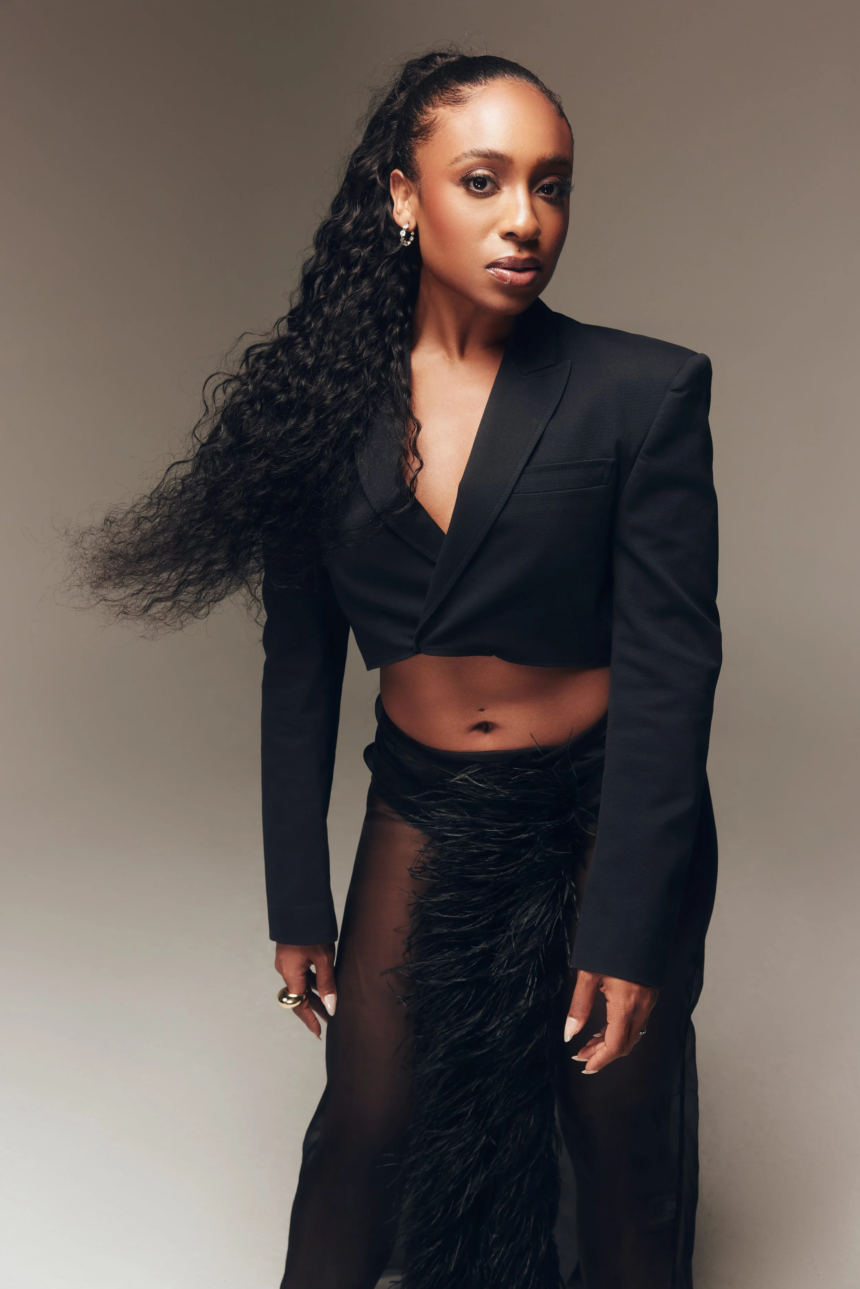
At the center is Kimmie, portrayed by Taylor Polidore Williams, whose ascent to power marks a decisive shift in the narrative. Now leading her husband Horace’s mega beauty brand, she transitions from survivor to authority figure—an evolution that reshapes the entire series.

This transformation is not subtle. It is confrontational, deliberate, and rooted in her past.
“I think she’s enjoying this role reversal with Jules at this moment because of the years of abuse that she’s endured from him,” Taylor Polidore Williams said.
This statement captures the emotional core of Season 2, Part 2: a reversal of power between Kimmie and Jules, her former exploiter, played by Charles Malik Whitfield.

Simultaneously, the rivalry between Kimmie and Mallory (Crystle Stewart) escalates into a direct, head-to-head confrontation.
“You’re going to see more of Mallory and Kimmie coming together head to head, which I think people are waiting for,” Stewart noted.
The result is a narrative built on confrontation, ambition, and unresolved trauma—elements that naturally extend beyond a single season.
Narrative Expansion: Why Season 3 Feels Inevitable
From a structural perspective, Season 2 does not conclude the story—it expands it.
Several narrative threads remain open:



1. Kimmie’s Leadership Arc
Kimmie’s transition into a corporate leader introduces new conflicts:
-
Managing a high-stakes beauty empire
-
Navigating internal betrayal
-
Maintaining control in a hostile environment
These are long-form narrative elements that typically extend across multiple seasons.
2. The Kimmie vs. Mallory Rivalry
The intensifying tension between these two characters is not resolved in Season 2. Instead, it is deliberately amplified, suggesting a larger confrontation still to come.
3. Jules as an Ongoing Threat
Jules’ presence represents more than a personal antagonist. He embodies Kimmie’s past and unresolved trauma, making his continued role critical for future storytelling.
4. The World of the Beauty Industry
The series increasingly leans into the corporate and cultural dynamics of the beauty business—branding, influence, and power—which provides fertile ground for expanded narratives in Season 3.
Soundtrack and Atmosphere: Building Emotional Continuity
Parallel to the story’s expansion is its evolving musical identity.
A new soundtrack album for Season 2, Part 2—featuring original compositions by Wow Jones and JimiJame$—releases on March 19, 2026, through Netflix Music. The score reinforces the show’s tone: tense, stylized, and emotionally layered.
Track Highlights:
-
Beauty in Ballad (feat. Lambert Stereo Wildrip)
-
Heat
-
Out of Order
-
Safety
-
No End
-
Enough Is Enough
-
Is This All Mine? (feat. Lambert Stereo Wildrip)
The titles themselves reflect the thematic direction of the series—conflict, instability, and personal reckoning—suggesting continuity into future seasons.
Music, in this context, is not supplementary. It functions as a narrative extension, shaping how viewers interpret power, tension, and transformation.
Cast Stability and Character Depth
A key factor supporting a potential Season 3 is the strength and consistency of the ensemble cast:
-
Taylor Polidore Williams as Kimmie
-
Crystle Stewart as Mallory
-
Amber Reign Smith as Rain
-
Xavier Smalls as Angel
-
Ricco Ross as Horace
-
Julian Horton as Roy
-
Steven G. Norfleet as Charles
-
Debbi Morgan as Olivia
-
Richard Lawson as Norman
-
Charles Malik Whitfield as Jules
-
Terrell Carter as Varney
This stable cast allows for deeper character arcs rather than resets—an essential ingredient for serialized storytelling.
Cultural and Industry Impact
Beauty in Black operates at the intersection of drama and social commentary. Its themes—power, exploitation, survival, and ambition—resonate beyond entertainment.
The show contributes to broader discussions about:
-
Gender and power structures
-
Economic mobility and control
-
Trauma and resilience
-
Representation in media
By embedding these themes within a high-stakes narrative, the series maintains relevance in both cultural and streaming ecosystems.
What Season 3 Could Explore
If Season 3 moves forward, several trajectories are likely:
Expansion of Corporate Power Struggles
Kimmie’s leadership could face external challenges—competitors, legal issues, or internal sabotage.
Deepened Psychological Conflict
The show may further explore Kimmie’s internal struggles as she balances power with past trauma.
Escalation of Rivalries
The Kimmie–Mallory dynamic could evolve into a defining conflict for the series.
Broader World-Building
The beauty industry setting could expand internationally, introducing new characters and stakes.
Conclusion: A Story That Is Still Unfolding
Season 2, Part 2 of Beauty in Black does not feel like a conclusion—it feels like a midpoint.
With its sharpened conflicts, expanded character arcs, and evolving thematic focus, the series is positioned for continuation. Whether officially announced or not, the groundwork for Season 3 is already embedded within the current narrative.
In practical terms, the question is no longer whether the story can continue, but how far it is willing to go.
