






From Awkward Comedy to Earth Day Conversations: Zach Galifianakis Enters a New Phase
A Comedian Redefining His Own Persona
For years, Zach Galifianakis has built a career on discomfort—weaponizing awkward pauses, deadpan delivery, and surreal humor into a distinctive comedic identity. Whether seated between potted plants interviewing celebrities or portraying eccentric characters on screen, his approach has consistently rejected traditional polish in favor of unpredictability.
- A Comedian Redefining His Own Persona
- The Premise: Comedy Meets Cultivation
- A Format Built on Curiosity, Not Authority
- Production and Creative Backing
- Career Context: From “Between Two Ferns” to Backyard Soil
- Cultural Relevance: Why Gardening, Why Now?
- The Structure: Short, Accessible, and Intentional
- Implications for Entertainment and Lifestyle Content
- A Subtle but Significant Reinvention
- Conclusion: Digging Into a Different Kind of Story
Now, in a move that signals both creative evolution and cultural awareness, Galifianakis is shifting from absurdist comedy setups to something more grounded—literally. His latest project, the Netflix docuseries This Is a Gardening Show, represents a deliberate pivot: one that blends humor with environmental curiosity and accessible education.
The Premise: Comedy Meets Cultivation
Set to premiere globally on Earth Day, April 22, 2026, This Is a Gardening Show introduces a format that departs from expertise-driven lifestyle programming. Instead of positioning himself as an authority, Galifianakis adopts the role of a beginner.
This framing is central to the show’s appeal. The host approaches gardening not as a practiced skill but as a learning process—mirroring the audience’s own uncertainties. Across six episodes, each running between 15 and 20 minutes, he engages with a wide spectrum of voices, including small-town farmers, local specialists, and even children.
The result is not a traditional how-to series, but a conversational exploration of how people interact with the natural world.
A Format Built on Curiosity, Not Authority
Director Brook Linder emphasizes that the show’s core dynamic stems from genuine inquiry rather than performance. As described:

“Making this show often felt like Zach’s excuse to talk to other gardeners… You will see a grown man honestly gasp when shown the proper way to plant a seed.”
This framing removes the intimidation often associated with gardening and reframes it as an accessible, even humorous, entry point into environmental awareness.
Producer Chris Kim further highlights the tonal balance:
“Zach brings an infectious warmth and humor that makes the world of gardening accessible and delightful for all ages.”
The emphasis here is not on technical mastery, but on engagement—encouraging viewers to participate, experiment, and learn without the pressure of perfection.
Production and Creative Backing
The series is produced by RadicalMedia in association with Billios Productions, Galifianakis’s own banner. Executive producers include Galifianakis himself, alongside Frank Scherma and Jon Kamen.



This collaboration positions the show within a broader trend of personality-driven unscripted content, where the host’s perspective becomes the primary narrative engine.
Unlike traditional lifestyle programming that relies heavily on structured expertise, This Is a Gardening Show uses personality, curiosity, and humor as its organizing principles.
Career Context: From “Between Two Ferns” to Backyard Soil
To understand the significance of this project, it is necessary to situate it within Galifianakis’s broader career trajectory.
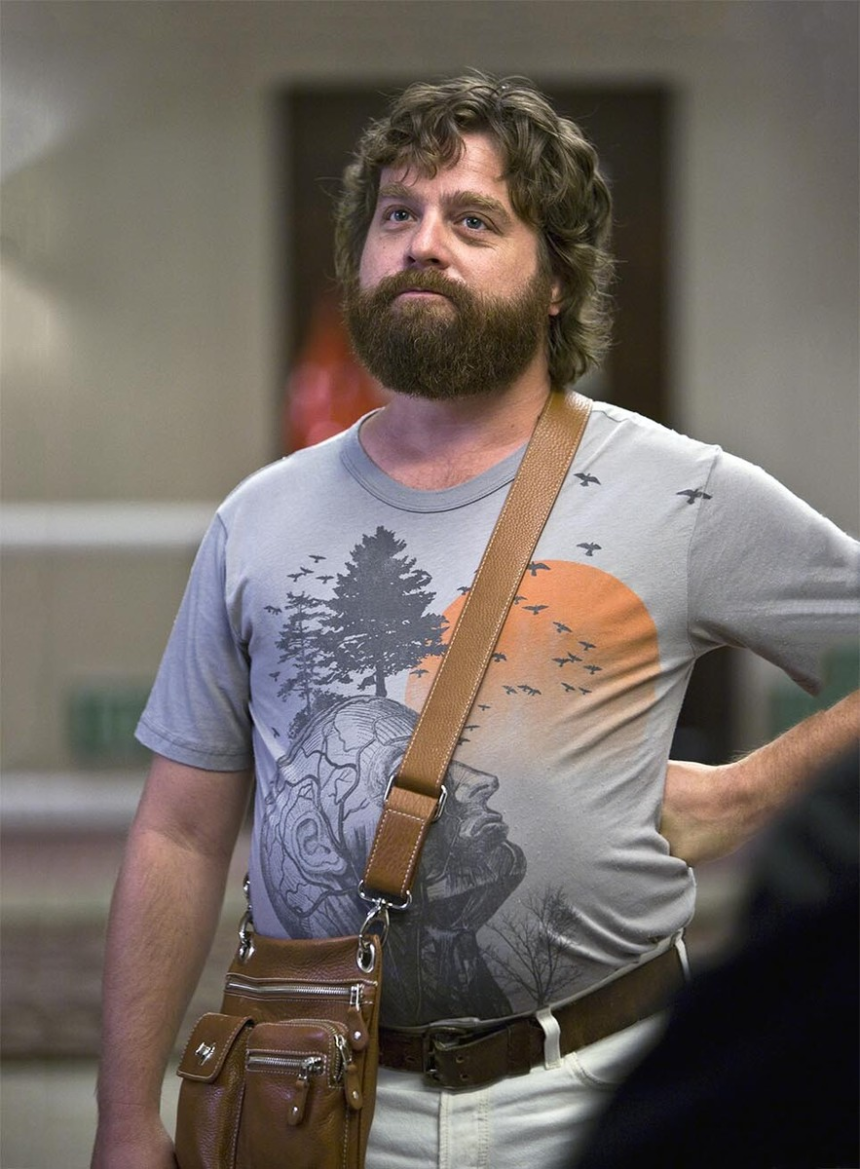
He first rose to mainstream prominence through the Hangover trilogy, where his portrayal of Alan—a socially awkward yet oddly perceptive character—became a defining comedic archetype. His work in films like Due Date and The Campaign further reinforced his ability to blend absurdity with emotional nuance.
Simultaneously, his web series Between Two Ferns redefined celebrity interviews by stripping away conventional etiquette. Guests ranging from pop stars to political figures, including former U.S. President Barack Obama, were subjected to deliberately uncomfortable questioning—turning the interview format into a comedic performance.
He also co-created and starred in Baskets, an FX series that explored themes of identity, failure, and family through a subdued, character-driven lens.
Taken together, these projects reveal a consistent pattern: Galifianakis gravitates toward formats that subvert expectations. This Is a Gardening Show continues that pattern, but applies it to a new domain—environmental storytelling.
Cultural Relevance: Why Gardening, Why Now?
The timing of the series is not incidental. By aligning its premiere with Earth Day, the show positions itself within broader conversations about sustainability, food systems, and ecological awareness.
However, rather than adopting a didactic or urgent tone, the series opts for something more understated. It frames environmental engagement as approachable and personal—rooted in everyday actions like planting seeds or understanding soil.
This approach reflects a broader shift in environmental communication. Increasingly, audiences respond not only to data and advocacy but also to relatable narratives that demonstrate how individuals can participate in change.
By presenting gardening through humor and curiosity, the series lowers the barrier to entry, making environmental engagement feel less like obligation and more like exploration.
The Structure: Short, Accessible, and Intentional
Each episode’s runtime—15 to 20 minutes—is deliberately concise. This format aligns with contemporary viewing habits, where audiences favor digestible, episodic content.
More importantly, the structure reinforces the show’s core objective: accessibility. Viewers are not expected to commit to long-form instructional content; instead, they are invited into brief, engaging encounters that gradually build familiarity with the subject.
The episodic design also allows for thematic variety, enabling the show to explore different aspects of gardening—from practical techniques to personal stories—without overwhelming the audience.
Implications for Entertainment and Lifestyle Content
This Is a Gardening Show sits at the intersection of multiple trends:
-
The rise of unscripted, personality-driven programming
-
Increased interest in sustainability and self-sufficiency
-
The blending of entertainment with educational content
By combining these elements, the series reflects a broader transformation in how audiences consume information. Entertainment is no longer confined to escapism; it increasingly serves as a gateway to learning and engagement.
For streaming platforms like Netflix, this type of content represents a strategic expansion—broadening their offerings beyond scripted narratives into hybrid formats that appeal to diverse viewer interests.
A Subtle but Significant Reinvention
At first glance, a comedy star hosting a gardening show might seem like an unexpected choice. However, in the context of Galifianakis’s career, the move is consistent with his tendency to challenge norms.
What distinguishes this project is its tone. While his earlier work often relied on discomfort and satire, This Is a Gardening Show introduces a more reflective dimension—without abandoning humor.
It suggests a maturation of his comedic voice, one that remains unconventional but is increasingly aligned with themes of connection, curiosity, and everyday experience.
Conclusion: Digging Into a Different Kind of Story
Zach Galifianakis’s transition from Between Two Ferns to This Is a Gardening Show is more than a genre shift—it is a redefinition of how comedy can intersect with real-world subjects.
By approaching gardening as a learner rather than an expert, he reframes the topic as accessible, engaging, and even entertaining. In doing so, the series offers a model for how media can address complex issues—like environmental awareness—without alienating audiences.
As the show debuts on April 22, 2026, it positions itself not just as another addition to Netflix’s catalog, but as a subtle experiment in storytelling: one where humor, humility, and curiosity take root together.