






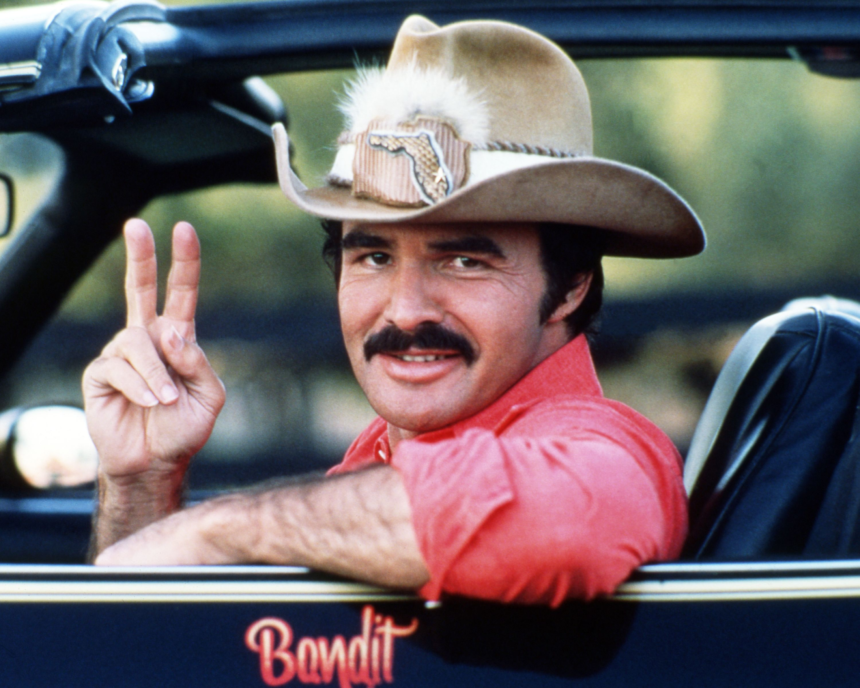
Burt Reynolds: The Career Defined as Much by “No” as by “Yes”
A Hollywood Icon and the Weight of Missed Moments
Few actors embodied Hollywood charisma quite like Burt Reynolds. Across a career spanning more than six decades, he became synonymous with rugged charm, box-office dominance, and cultural influence. Yet behind the success of films like Smokey and the Bandit, Deliverance, and The Longest Yard lies a quieter, more complex narrative—one defined not just by the roles he accepted, but by the ones he refused.
Late in his life, Reynolds spoke candidly about the decisions that shaped—and in some cases limited—his career trajectory. Reflecting on missed opportunities, he admitted in his memoir:
“They all would’ve changed my career, without a doubt.”
This is not simply a story about regret. It is a case study in how timing, instinct, and identity can alter the course of an actor’s legacy.
The Roles That Got Away
Turning Down James Bond: A Principle That Became Regret
At a pivotal moment in film history, Reynolds was offered the role of James Bond following Sean Connery’s departure from the franchise. It was an opportunity to step into one of cinema’s most enduring characters.


Reynolds declined.
His reasoning was rooted in identity: he believed an American actor should not portray the quintessentially British spy. At the time, the decision seemed principled. In hindsight, it became one of his most public regrets.



Years later, he revisited the moment with striking honesty.
“It was a stupid thing to say,” he admitted. “I could’ve done it and I could’ve done it well.”
The remark reveals a shift from conviction to reflection—a recognition that artistic boundaries are often more flexible than assumed.
Passing on Han Solo: A Franchise-Defining Decision
Another defining “what-if” came when George Lucas offered Reynolds the role of Han Solo in Star Wars. The actor declined, citing a lack of interest in that type of character.
At the time, Star Wars was an unknown quantity. In retrospect, it became one of the most influential franchises in cinematic history, with Han Solo emerging as one of its most iconic figures.


Reynolds later acknowledged the magnitude of the decision:
“Now I regret it. I wish I would have done it.”
The implications extended beyond a single film. The role represented decades of sequels, global recognition, and substantial financial rewards—opportunities that instead defined Harrison Ford’s career.
Pretty Woman and Other Lost Opportunities
Reynolds also turned down the role of Edward Lewis in Pretty Woman, later delivered by Richard Gere. His retrospective assessment was blunt:
“Because I’m an idiot.”
Beyond that, the list of near-misses reads like a catalogue of modern cinema:
-
Randle McMurphy in One Flew Over the Cuckoo’s Nest
-
Travis Bickle in Taxi Driver
-
Michael Corleone in The Godfather
-
John McClane in Die Hard
Each role went on to define not only the films themselves but the careers of the actors who ultimately accepted them.
Reynolds recognized the cumulative impact:
“They all would’ve changed my career, without a doubt. I would’ve been offered all kinds of roles.”
The One That Hurt the Most
One Flew Over the Cuckoo’s Nest
Unlike some roles he declined outright, Reynolds actively wanted to play Randle McMurphy. The part ultimately went to Jack Nicholson, whose performance earned an Academy Award.
When asked why he didn’t push harder, Reynolds offered a characteristic mix of humor and resignation:
“You can’t out drink Jack. And you can’t out smoke him either.”
The comment reflects a deeper truth about Hollywood casting—talent alone is not always decisive. Personality, persistence, and timing often carry equal weight.
A Career of Highs Despite the “What-Ifs”
It would be reductive to frame Reynolds’ career solely through missed opportunities. At his peak, he was one of the most bankable stars in Hollywood, dominating the box office through the 1970s and early 1980s.
His performances in:
-
Deliverance
-
Smokey and the Bandit
-
The Longest Yard
cemented his status as a leading man with mass appeal.
Even late in his career, he demonstrated range and resilience. After initially rejecting Boogie Nights seven times, Reynolds accepted the role, delivering a performance that earned him his only Academy Award nomination.
That moment underscores a key point: even in a career marked by hesitation, decisive choices still produced defining outcomes.
The Human Side of Regret
Reynolds’ reflections resonate because they are unusually candid for a Hollywood figure. Rather than rewriting history or deflecting responsibility, he openly acknowledged misjudgments.
“I hate to say that because it lowers my IQ by 50 points,” he said when discussing his decisions.
This transparency contributed to his relatability. Audiences saw not just a star, but a professional grappling with the same “what-ifs” that define many careers.
He remained reflective until his death in 2018, offering a final, grounded perspective:
“You can’t go back. You can’t relive that moment when you should have said, ‘I’ll take it, I’ll do it.’”
Industry Implications: Timing, Identity, and Risk
Reynolds’ story highlights broader themes within the film industry:
1. The Risk of Typecasting
Actors often reject roles to avoid being boxed into a particular image. Reynolds’ refusal of Han Solo reflects this tension—protecting identity versus embracing opportunity.
2. The Unpredictability of Success
Few could have predicted the scale of Star Wars or the cultural longevity of James Bond. Decisions are made without the benefit of hindsight.
3. The Economics of Franchise Cinema
Reynolds’ admission that these roles would have changed his career also reflects the financial reality of franchise filmmaking. Long-term earnings, brand value, and global recognition often hinge on a single role.
Conclusion: A Legacy Larger Than Regret
Burt Reynolds’ career cannot be defined solely by the roles he declined. His influence on Hollywood, his box-office success, and his enduring screen presence remain undeniable.
Yet his willingness to confront missed opportunities adds depth to his legacy. It reframes success not as a linear path, but as a series of decisions—some celebrated, others reconsidered.
In the end, Reynolds’ story is not about failure. It is about perspective: the recognition that even the most successful careers carry unanswered questions.
And perhaps that is what makes his legacy more compelling—not despite the regrets, but because of them.