






Mardaani 3 OTT Release: What the Netflix Premiere Means for Bollywood’s Grittiest Franchise
A Strategic Digital Shift After a Strong Theatrical Run
The transition of Mardaani 3 from cinemas to streaming marks a carefully timed move in India’s evolving film distribution landscape. After completing an eight-week theatrical window—aligned with industry norms—the Rani Mukerji-led crime thriller is set to debut on Netflix on March 27, 2026.
- A Strategic Digital Shift After a Strong Theatrical Run
- Box Office Performance: A Measured but Meaningful Success
- Inside the Story: A Darker, More Procedural Turn
- A Creative Reset Behind the Camera
- Why the Netflix Release Matters
- Cultural Impact: A Franchise Rooted in Social Reality
- What Comes Next for the Franchise?
- Conclusion: A Calculated Success in a Changing Industry
Originally released in theatres on January 30, 2026, the film leveraged early buzz by advancing its release date from a planned late-February slot. That decision appears to have paid off. Despite stiff competition from high-profile releases such as Border 2, the film sustained a steady box office presence, reinforcing the enduring appeal of its central character, SSP Shivani Shivaji Roy.
The Netflix release now positions Mardaani 3 for a significantly broader global audience, a move increasingly critical for mid-to-high-budget Hindi films seeking long-tail revenue beyond theatres.
Box Office Performance: A Measured but Meaningful Success
From a financial standpoint, Mardaani 3 presents a nuanced case.
The film recorded:
- ₹52.99 crore net collection in India
- Approximately ₹75–78.73 crore worldwide gross
- A production budget of around ₹60 crore
Its opening was modest but promising, with nearly ₹4 crore on day one, followed by a strong first week totaling ₹26.55 crore. While the second week saw a predictable 41% drop, the film maintained momentum through its theatrical lifecycle.

Compared to earlier installments:
- Mardaani (2014): ₹35.85 crore
- Mardaani 2 (2019): ₹47.51 crore
- Mardaani 3 (2026): ₹50+ crore in India
This upward trajectory confirms that the franchise continues to expand its audience base.
However, theatrical returns alone paint an incomplete picture. With an estimated 88% return on investment, the film sits in a grey zone commercially. Industry observers note that profitability was ultimately secured through non-theatrical revenue streams, particularly digital and satellite rights—making the Netflix deal a decisive factor in its financial outcome.
Inside the Story: A Darker, More Procedural Turn
At the core of Mardaani 3 is a disturbing and high-stakes investigation.



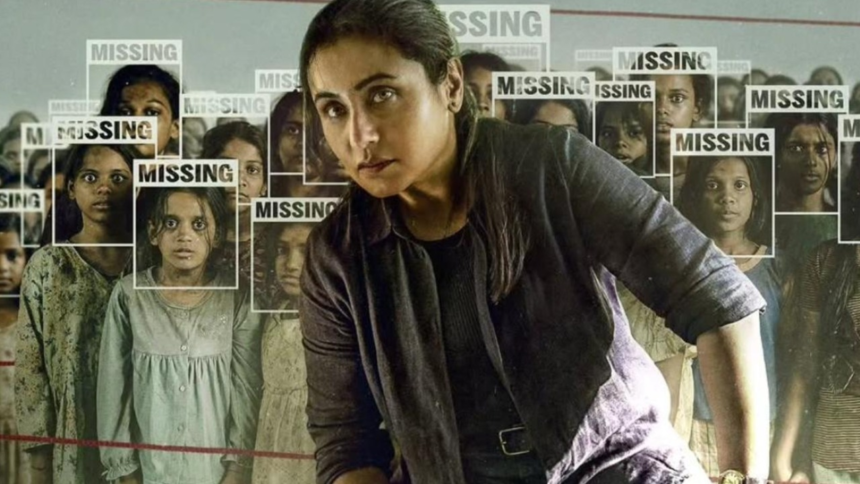
The narrative follows SSP Shivani Shivaji Roy as she leads a three-month operation into the abduction of 93 girls aged between eight and ten. What begins as a missing persons case quickly escalates into a complex criminal network involving:
- A beggar mafia
- Illegal drug testing
- A mutated HPV virus experiment
The investigation eventually extends beyond India, culminating in a high-intensity chase sequence in Colombo, Sri Lanka.
The antagonist, Mallika Prasad’s “Amma,” introduces a rare female-led villain dynamic. Her portrayal as a human trafficker adds psychological weight to the story, reinforcing the film’s unsettling tone.
Critics have highlighted the film’s “dark and brutal” narrative approach, which marks a departure from earlier installments.
A Creative Reset Behind the Camera
One of the most significant shifts in Mardaani 3 is its change in directorial vision.
- Director: Abhiraj Minawala (replacing Gopi Puthran)
- Producer: Aditya Chopra under Yash Raj Films
- Editor: Yasha Ramchandani
Minawala’s approach leans toward a procedural storytelling style, emphasizing investigative realism over conventional dramatic arcs. This shift is evident in the film’s pacing, tone, and narrative structure, which prioritizes methodical progression over spectacle.
The supporting cast—including Janki Bodiwala, Jisshu Sengupta, Indraneel Bhattacharya, and Naved Aslam—contributes to this grounded atmosphere, reinforcing the film’s ensemble-driven storytelling.
Why the Netflix Release Matters
The OTT premiere is not merely a secondary release—it is central to the film’s lifecycle.
By arriving on Netflix after a 56-day theatrical window, Mardaani 3 follows a distribution model increasingly adopted by major studios. This strategy achieves several objectives:
1. Expands Global Reach
Streaming ensures accessibility across markets where theatrical distribution may be limited.
2. Extends Revenue Lifecycle
Digital rights significantly offset production costs, especially for mid-tier box office performers.
3. Strengthens Franchise Longevity
Previous Mardaani films have performed well on OTT platforms, suggesting strong repeat viewership and discovery among new audiences.
4. Aligns with Audience Behavior
A growing segment of viewers now prefers home viewing for crime thrillers, particularly those with intense or sensitive subject matter.
Cultural Impact: A Franchise Rooted in Social Reality
Beyond its commercial performance, Mardaani 3 continues the franchise’s tradition of addressing serious societal issues.
The film’s focus on:
- Child trafficking
- Exploitation through illegal medical practices
- Organized criminal networks
positions it within a category of socially conscious thrillers. By centering a female police officer as the narrative anchor, the series also challenges traditional gender roles within action-driven storytelling.
Rani Mukerji’s portrayal of Shivani Shivaji Roy remains a defining element—combining emotional restraint with operational authority. This consistency has been critical to the franchise’s identity and audience loyalty.
What Comes Next for the Franchise?
With Mardaani 3 now established as the highest-grossing installment in the trilogy, the question of a fourth entry becomes increasingly relevant.
Several indicators suggest potential continuation:
- Sustained audience interest in the character
- Expanding narrative scope across geographies
- Strong post-theatrical performance on OTT
If the Netflix release delivers high viewership numbers, it could accelerate discussions around future installments.
Conclusion: A Calculated Success in a Changing Industry
Mardaani 3 exemplifies a transitional phase in Bollywood’s business model—where theatrical success alone no longer defines a film’s outcome.
While its box office performance may be categorized as “average” in isolation, the film achieves broader success when viewed through the lens of:
- Franchise growth
- Digital monetization
- Global accessibility
Its upcoming Netflix release on March 27, 2026, effectively completes the film’s distribution cycle, transforming it from a domestic theatrical product into a global streaming asset.
For audiences, it offers another opportunity to engage with one of Hindi cinema’s most grounded and socially relevant crime franchises. For the industry, it reinforces the importance of strategic timing, diversified revenue streams, and content-driven storytelling.