






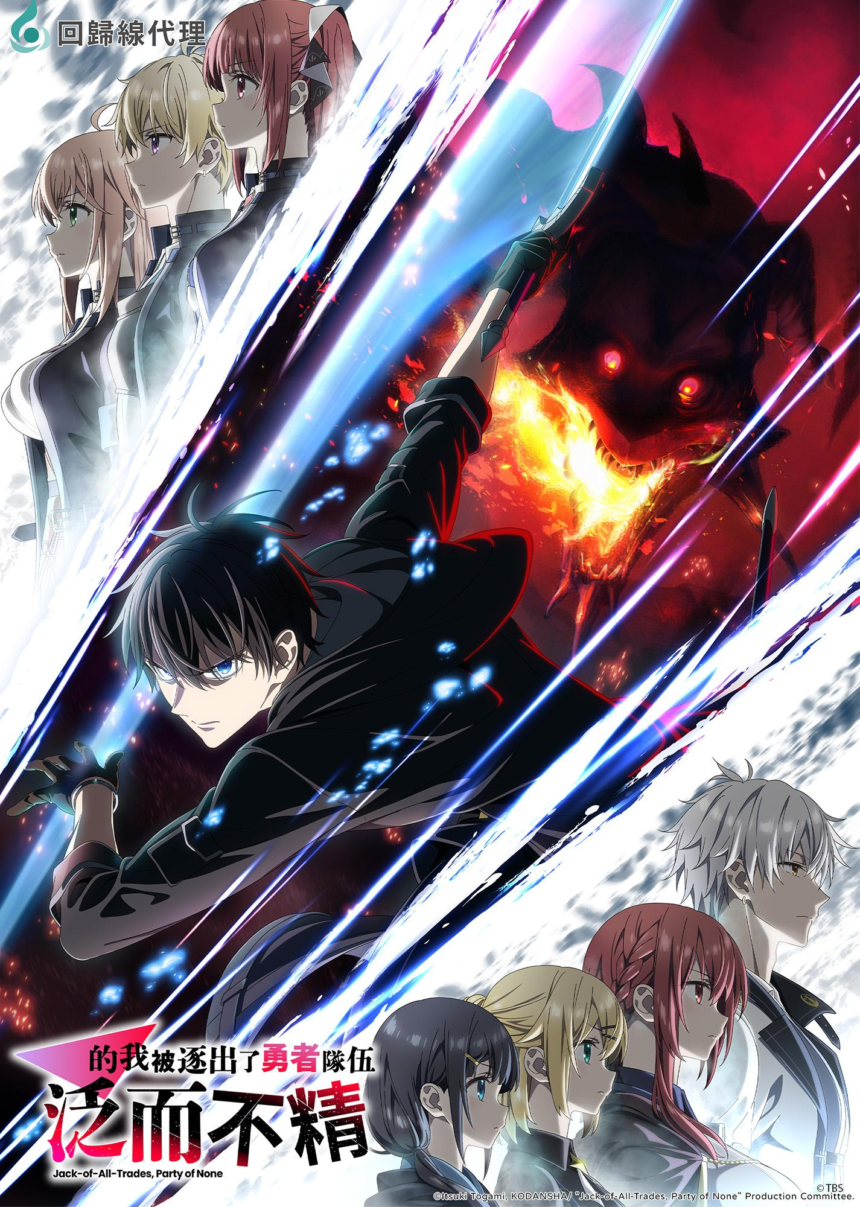
“Jack of All Trades, Master of None?”
How One Anime Rewrites the Meaning of a Familiar Phrase
In popular culture, few phrases carry as much quiet dismissal as “jack of all trades, master of none.” It implies mediocrity—a lack of focus, a failure to excel. But Jack-of-All-Trades Party of None, the 2026 anime adaptation of Togami Itsuki’s light novel, challenges that assumption at its core.
- How One Anime Rewrites the Meaning of a Familiar Phrase
- The Premise: From Rejection to Reinvention
- Episode 12: The Climax of a Rewritten Identity
- The Creative Machinery Behind the Story
- From Web Novel to Cross-Media Success
- Reframing “Jack of All Trades” in Modern Storytelling
- The Emotional Core: Betrayal, Identity, and Redemption
- What Comes Next: Closure or Continuation?
- Conclusion: From Dismissal to Definition
With its season finale now released for streaming on March 18, 2026, ahead of its television broadcast on March 22, the series does more than conclude a character arc. It reframes a cultural idea. Through the journey of Orhun Dura, the anime transforms what was once seen as weakness into a narrative of resilience, adaptability, and ultimately, identity.
The Premise: From Rejection to Reinvention
At the heart of the series lies a simple but emotionally loaded setup.
“Betrayed by his childhood friend and cast out of the Hero Party, Orhun Dura, once their loyal Enchanter, is branded by his former comrades as a jack-of-all-trades but a master of none. Alone, he sets out to forge a new path as a solo adventurer. His journey sparks explosive battles, deadly rivals, and unexpected allies and he will rise to shatter every expectation.”
Orhun’s exile is not just a plot device—it is a commentary on specialization versus versatility. His party, led by Oliver Cardiff, dismisses him precisely because he does not fit into a narrowly defined role. His abilities, developed to support others, are deemed insufficient in a system that values singular mastery.


This rejection sets the thematic foundation of the series: what happens when adaptability is mistaken for inadequacy?
Episode 12: The Climax of a Rewritten Identity
The twelfth and final episode marks the culmination of Orhun’s transformation. Streaming globally via Crunchyroll, the finale delivers both narrative closure and thematic resolution.



Over 12 episodes, viewers have watched Orhun evolve from a sidelined enchanter into a self-reliant adventurer capable of confronting threats his former party could not manage alone. The finale intensifies this arc by placing him in a decisive confrontation—one that tests every skill he has acquired since his departure.
The preview narrative of Episode 12 underscores the stakes:
While Orun and the “First Unit” battle a Black Dragon, the “Tenth Squad” encounters the Amuntzers on the 30th floor. Facing overwhelming odds, Sophia and her companions prepare for death—until Orun arrives, positioning himself as their protector.
This moment is structurally significant. It reverses the original power dynamic. The character once dismissed as expendable becomes indispensable.
The Creative Machinery Behind the Story
The anime’s ability to convey both action and emotional depth is tied closely to its production team.
-
Studio: Animation studio42
-
Director: Hiroyuki Kanbei
-
Composer: Masashi Suzuki
-
Music: Tsubasa Handa
-
Character Design: Naoto Nakamura
Voice performances also anchor the narrative. Takeo Otsuka’s portrayal of Orhun Dura delivers the emotional range necessary to carry a story centered on rejection and self-definition. Supporting roles by Hina Tachibana (Sophia Claudel), Saori Oonishi (Selma Claudel), Yo Taichi (Logan Heyward), and Yoshiki Nakajima (Oliver Cardiff) enrich the interpersonal dynamics that define the series.
The English dub, led by Tom Aglio, ensures accessibility for global audiences, reinforcing the anime’s international reach through Crunchyroll distribution.
From Web Novel to Cross-Media Success
The trajectory of Jack-of-All-Trades Party of None reflects a broader industry pattern—successful digital-origin stories evolving into multi-format franchises.
-
February 2021: Web novel launched on Shosetsuka ni Naro
-
September 2021: Light novel publication begins under Kodansha’s K Ranobe Books
-
October 2021: Manga adaptation by Yonezou debuts
-
January 4, 2026: Anime premieres
-
March 2026: Season one concludes with Episode 12
As of October 2025, the light novel has released nine volumes, providing a substantial narrative foundation. The anime’s first season condenses this material into a tightly structured arc focused on Orhun’s expulsion and subsequent evolution.
This cross-media expansion demonstrates the commercial viability of character-driven fantasy narratives that challenge genre conventions.
Reframing “Jack of All Trades” in Modern Storytelling
What distinguishes this series is not just its plot, but its thematic inversion.
Traditionally, “jack of all trades” suggests dilution of skill. However, the anime reinterprets it as strategic versatility. Orhun’s ability to adapt—to switch roles, combine skills, and respond dynamically—becomes his defining strength.
This shift aligns with broader cultural and professional trends. In modern industries, especially technology and creative sectors, hybrid skill sets are increasingly valued. Specialists remain important, but adaptability often determines long-term success.
The series captures this shift in narrative form. Orhun’s journey is less about proving others wrong and more about redefining the criteria for competence.
The Emotional Core: Betrayal, Identity, and Redemption
Beyond its action sequences, the anime’s resonance comes from its emotional architecture.
Orhun’s expulsion is not merely professional—it is personal. His childhood friend, Oliver, initiates his removal. The betrayal carries lasting psychological weight, shaping Orhun’s motivations throughout the series.
The finale addresses this unresolved tension. While the outcome of Orhun’s confrontation is positioned as a climactic moment, the deeper question is whether recognition—by others or himself—defines his worth.
The answer, suggested through his journey, leans toward internal validation. Orhun does not need his former party’s approval to establish his identity.
What Comes Next: Closure or Continuation?
Although Episode 12 concludes the immediate arc, it deliberately leaves narrative space for expansion.
Key questions remain:
-
Will Orhun’s former party acknowledge their misjudgment?
-
Can his solo path evolve into a new kind of alliance?
-
How will future threats test his all-rounder philosophy?
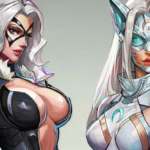
The final visual featuring Orhun and Shion hints at unresolved dynamics, suggesting potential future arcs. Fan speculation around a second season is already underway, driven by both narrative hooks and the series’ popularity.
Conclusion: From Dismissal to Definition
Jack-of-All-Trades Party of None does not simply tell a story—it reinterprets a long-standing cultural phrase.
Through Orhun Dura’s journey, the series argues that breadth is not the enemy of depth. Instead, it proposes that versatility, when refined through experience, becomes its own form of mastery.
The season finale, released March 18, 2026, marks the end of one chapter. But more importantly, it signals a shift in how audiences might understand the idea of being a “jack of all trades.”
Not as a limitation—but as a foundation.