






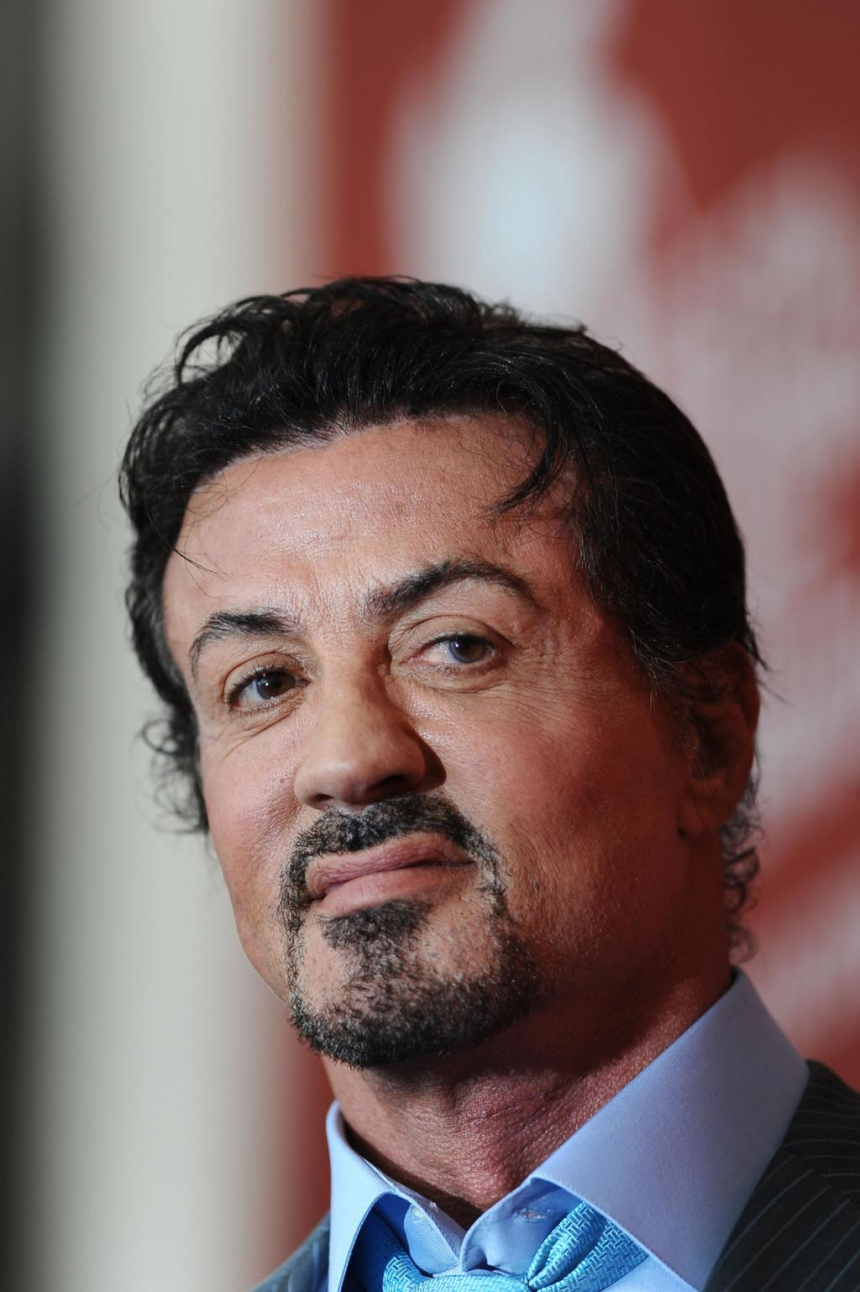
Sylvester Stallone’s Next Act: Reinventing the Golden Age with Tarantino
A New Chapter for a Hollywood Veteran
At a stage in his career when many actors settle into legacy status, Sylvester Stallone appears to be doing the opposite—leaning into reinvention. The 79-year-old Hollywood figure, long associated with iconic franchises like Rocky and Rambo, is now stepping into a new creative arena alongside one of modern cinema’s most distinctive voices, Quentin Tarantino.
- A New Chapter for a Hollywood Veteran
- Reconstructing the 1930s: A Technical and Artistic Gamble
- Stallone Behind the Camera: A Strategic Shift
- Tarantino’s Influence: A Long-Awaited Collaboration
- Thematic Scope: Crime, Culture, and Performance
- Production Uncertainties and Industry Context
- Cultural and Industry Implications
- What Comes Next
- Conclusion: Reinvention Through Collaboration
The two industry veterans are reportedly collaborating on an ambitious six-part television series set in the 1930s—a project that signals both nostalgia and experimentation. Rather than a conventional period drama, the production is designed as a deliberate throwback to early cinema, shot entirely in black and white using authentic 1930s cameras.
This is not simply another entry in Stallone’s filmography. It represents a strategic pivot—from on-screen icon to behind-the-camera architect of a stylized, historically immersive narrative.
Reconstructing the 1930s: A Technical and Artistic Gamble
The upcoming series is being described as a “Golden Age” production, rooted firmly in the aesthetics and storytelling techniques of early 20th-century cinema. It will consist of six episodes and incorporate thematic elements such as gangsters, showgirls, boxing, and music—components that defined much of the entertainment landscape of the era.
What distinguishes the project is not just its setting, but its methodology:
-
Entirely shot in black and white
-
Filmed using original-style 1930s cameras
-
Designed to replicate the texture and visual limitations of early filmmaking
This approach is more than stylistic—it is technical. Shooting with vintage equipment imposes constraints on lighting, framing, and motion, requiring a disciplined production process. The result, if executed effectively, could offer a rare level of authenticity that modern digital techniques struggle to replicate.

For Stallone, this marks a significant departure from the high-gloss, action-driven productions that defined much of his career. For Tarantino, it aligns with his long-standing fascination with cinematic history and analog filmmaking.
Stallone Behind the Camera: A Strategic Shift
One of the most notable aspects of the project is Stallone’s role. He will not appear on screen. Instead, he will focus entirely on directing.
This decision reflects a broader trend in his career. While widely recognized as an actor, Stallone has an extensive directorial background. His previous work includes films such as:
-
Paradise Alley (1978), his directorial debut
-
Multiple entries in the Rocky franchise
-
Rambo IV
-
The Expendables
In total, he has directed nine feature films. His early work often emphasized gritty, character-driven storytelling—qualities that align closely with the tone expected in a 1930s gangster narrative.



His portrayal of Frank Nitti in Capone, a film set in the same era, also provides a point of continuity. That experience with period storytelling may inform his approach to directing this new series.
Tarantino’s Influence: A Long-Awaited Collaboration
The collaboration between Tarantino and Stallone is not incidental. It is the culmination of a long-standing creative intersection.
Tarantino has publicly expressed admiration for Stallone’s work over the years. He has described Rocky (1976) as one of his favorite films growing up, crediting it as an influence on his own filmmaking ambitions. In his book Cinema Speculation, he also praised Paradise Alley, calling it “the purest expression of a particular vision.”
Despite this mutual respect, the two had not previously worked together. Stallone reportedly turned down roles in Jackie Brown and Death Proof, citing creative differences.
This new project therefore represents a convergence that has been years in the making—one that blends Tarantino’s narrative boldness with Stallone’s experience in character-driven direction.
Thematic Scope: Crime, Culture, and Performance
The series’ thematic structure suggests a layered narrative rather than a straightforward crime story. By combining elements such as:
-
Organized crime (gangsters)
-
Entertainment culture (showgirls, music)
-
Physical competition (boxing)
the project appears positioned to explore the intersection of power, performance, and survival during the 1930s.
This era, shaped by economic hardship and cultural transformation, provides fertile ground for storytelling. The inclusion of music and performance culture alongside crime narratives indicates a broader exploration of society, not just underworld dynamics.
Production Uncertainties and Industry Context
Several key details remain unresolved:
-
The cast has not yet been announced
-
No official release timeline has been confirmed
-
Plot specifics are still undisclosed
However, the project emerges at a time when streaming platforms and premium television have become primary spaces for experimental storytelling. A six-part limited series format allows for narrative depth while maintaining tight creative control.
It also aligns with Tarantino’s previously stated interest in episodic storytelling. In 2022, he indicated plans to develop an eight-episode series. While not confirmed, this new project could be a realization—or evolution—of that earlier concept.
Cultural and Industry Implications
From an industry perspective, the collaboration carries several implications:
1. Revival of Analog Techniques
The use of 1930s cameras challenges the dominance of digital filmmaking. If successful, it could inspire similar experiments across the industry.
2. Reframing Legacy Talent
Stallone’s transition into a purely directorial role reflects how established actors can reposition themselves in later career stages.
3. Blending Film and Television Aesthetics
With cinematic-level direction and historical authenticity, the series may blur the line between film and episodic content.
4. Renewed Interest in Period Storytelling
The project’s emphasis on authenticity could elevate expectations for future historical productions.
What Comes Next
While the series remains in early development, its conceptual foundation is already attracting attention. The combination of:
-
Two high-profile creative figures
-
A historically immersive production approach
-
A tightly structured six-part format
positions it as a potentially significant addition to the evolving landscape of prestige television.
For Stallone, it represents more than another credit—it is a recalibration of his creative identity. For audiences, it offers the prospect of experiencing the 1930s not as a reconstructed setting, but as a fully realized cinematic environment.
Conclusion: Reinvention Through Collaboration
Sylvester Stallone’s career has been defined by endurance—both physical and professional. From underdog narratives to global action franchises, he has consistently adapted to changing industry dynamics.
This collaboration with Quentin Tarantino suggests that adaptation is ongoing. By embracing historical authenticity and stepping into a purely directorial role, Stallone is not revisiting past success. He is redefining it.
If the project delivers on its ambition, it may stand as one of the most technically and artistically distinctive works of his career—an intersection of legacy, experimentation, and cinematic homage.