




Uzair Baloch: Crime, Contradictions, and the Viral Return of a Forgotten Story
A Resurfaced Past in the Age of Viral Culture
More than a decade after his name dominated headlines in Pakistan’s criminal landscape, Uzair Baloch has re-entered public conversation—not through a courtroom or a police report, but via cinema and social media.
- A Resurfaced Past in the Age of Viral Culture
- Who Was Uzair Baloch?
- The 2012 Interview: A Narrative at Odds with Reality
- Lyari: The Setting Behind the Story
- The Arshad Pappu Case: A Symbol of Brutality
- Cinema as a Catalyst: Why the Story Is Trending Again
- Social Media Reaction: Between Curiosity and Skepticism
- The Broader Implications: Crime, Narrative, and Public Memory
- Conclusion: A Story That Refuses to Fade
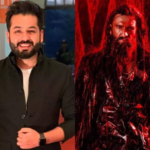
The unexpected resurgence stems from the box office success of Dhurandhar: The Revenge, a film that has reignited interest in real-life figures tied to crime narratives. As audiences engaged with the dramatized portrayal of Baloch—played by Danish Pandor—old digital traces began resurfacing. Among them, a December 29, 2014 post stating, “Uzair Baloch arrested by #Interpol at #Dubai Airport (Bad news for #Layari Gangsters)” has gone viral again, drawing renewed attention to his story.
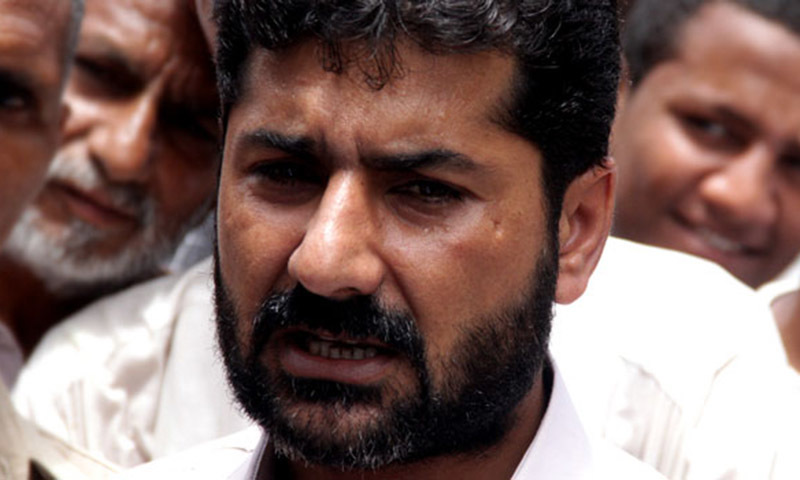
Simultaneously, a 2012 interview in which Baloch denied involvement in violence has sparked intense debate. Together, these resurfaced artifacts have transformed a historical case into a contemporary cultural flashpoint.
Who Was Uzair Baloch?
Uzair Baloch was widely identified as the kingpin of the Lyari gang in Karachi, one of Pakistan’s most volatile urban neighborhoods. Over time, he became synonymous with organized crime in the region, linked to allegations ranging from extortion to violent gang operations.
By 2014, he was considered among the most wanted individuals connected to Karachi’s criminal underworld. His arrest at Dubai airport, reportedly carried out by Interpol and confirmed by the Pakistani consulate in Dubai, marked a significant turning point in efforts to curb organized crime linked to Lyari.
Years later, in 2020, Baloch was sentenced to 12 years in prison—closing a chapter that had long captured national attention, though not ending the fascination surrounding his life.

The 2012 Interview: A Narrative at Odds with Reality
At the center of the current debate is a decade-old interview conducted in 2012 by journalist Noor-ul-Arifeen. In it, Baloch presented a version of himself that sharply contrasts with the allegations against him.
His most striking claim was:
“I haven’t even killed an ant. I have killed for public unemployment. I raised my voice, that was my ‘murder’.”
This statement has become a focal point of online discussion, largely because it contradicts the extensive accusations tied to his name. Investigative accounts suggested that by 2014, Baloch faced more than 50 cases of extortion, alongside allegations of orchestrating violent crimes.
In the same interview, he framed himself as a community advocate:



“I stood up for the people whenever needed. I fixed hospitals for Lyari.”
He further attributed his wealth to legitimate business activities, stating:
“I am a transporter and own land. And I run an extractor business in Dubai.”
However, law enforcement narratives painted a different picture, suggesting that his financial network was rooted in criminal enterprises, including extortion and alleged drug-related operations.
The interview, when revisited today, reveals a carefully constructed public persona—one that emphasized social support and legitimacy, even as accusations of systemic violence surrounded him.
Lyari: The Setting Behind the Story
Understanding Uzair Baloch requires examining Lyari itself—a densely populated area of Karachi historically marked by economic hardship, limited infrastructure, and long-standing gang rivalries.
In this context, figures like Baloch often occupied dual roles: feared enforcers and, in some cases, perceived local benefactors. His claim of redistributing wealth among residents and standing with them “through every pain and suffering” reflects this complex dynamic.
Yet, these narratives coexist with accounts of brutality that shaped Lyari’s reputation for violence.
The Arshad Pappu Case: A Symbol of Brutality
One of the most widely cited incidents linked to Baloch is the killing of rival gangster Arshad Pappu. According to accounts, the incident involved capture, torture, and execution under Baloch’s command.
Eyewitness reports described extreme violence, including alleged mutilation and public display of body parts—details that shocked observers and reinforced the perception of Lyari’s underworld as exceptionally brutal.
This incident stands in stark contrast to Baloch’s assertion that he had “never killed anyone,” highlighting the deep disconnect between his public statements and the allegations surrounding him.
Cinema as a Catalyst: Why the Story Is Trending Again
The resurgence of Uzair Baloch’s story illustrates the powerful role of cinema in shaping public memory.
Dhurandhar: The Revenge did more than entertain—it triggered a rediscovery process. Audiences, curious about the real figures behind the film, turned to archived interviews, old news posts, and historical accounts.
This phenomenon reflects a broader pattern: films based on real events often serve as catalysts for digital archaeology. Forgotten interviews, social media posts, and controversial statements gain new life when framed through a cinematic lens.
The portrayal of Baloch by Danish Pandor has further amplified interest, encouraging comparisons between dramatized storytelling and documented reality.
Social Media Reaction: Between Curiosity and Skepticism
Online reactions to the resurfaced interview and arrest post have been mixed but intense.
Some users expressed disbelief at Baloch’s claims, questioning how someone linked to serious allegations could present himself as a community advocate. Others focused on the interviewer’s courage, with comments such as “Is the interviewer still alive?” reflecting the perceived risk of engaging with such figures.
The debate has largely centered on credibility—whether Baloch’s statements represent self-preservation, strategic narrative-building, or a genuine alternative perspective.
The Broader Implications: Crime, Narrative, and Public Memory
The renewed interest in Uzair Baloch is not merely about one individual; it highlights larger dynamics in how societies process crime and memory.
Three key themes emerge:
- Narrative Control: Figures accused of crime often attempt to shape their own stories, emphasizing legitimacy or social contribution.
- Media Amplification: Films and digital platforms can revive dormant cases, influencing how they are perceived by new audiences.
- Public Interpretation: Social media enables collective analysis, where users dissect statements, compare narratives, and challenge inconsistencies.
In Baloch’s case, the contrast between his interview claims and alleged actions has made his story particularly compelling.
Conclusion: A Story That Refuses to Fade
Uzair Baloch’s return to public discourse underscores the enduring power of unresolved narratives. His story sits at the intersection of crime, media, and cultural memory—where fact, perception, and storytelling collide.
The resurfacing of a 2012 interview and a 2014 arrest post demonstrates how digital footprints can outlive their original context, gaining new relevance in response to cultural triggers like film releases.
As audiences continue to revisit his life through both cinematic portrayals and historical records, one question remains central: how should such figures be remembered—through their own words, or through the weight of the allegations against them?