






Pathé and the Enduring Power of Cinema: Where Laughter Meets Reality
A Cultural Moment in Strasbourg’s Cinematic Landscape
In Strasbourg and Colmar, cinema once again demonstrated its enduring relevance—not merely as entertainment, but as a cultural and emotional anchor. The recent visit of Gérard Jugnot to promote his latest film Mauvaise Pioche highlighted the continuing role of theatrical cinema, particularly within venues associated with the broader ecosystem of Pathé and its counterparts.
- A Cultural Moment in Strasbourg’s Cinematic Landscape
- From Historical Legacy to Modern Screens
- “Laughter Is Like Windshield Wipers”
- Cinema as Social Commentary
- Collaboration and the Economics of Talent
- Aging, Creativity, and the Persistence of Curiosity
- The Audience Experience: Why Theaters Still Matter
- “There Are No Happy Endings in Life…”
- Looking Ahead: The Future of Pathé and Theatrical Cinema
- Conclusion: A System That Keeps Moving
Premiered at UGC Ciné Cité in Strasbourg and CGR in Colmar, the film is scheduled for theatrical release on April 1. While the venues themselves belong to different chains, the event reflects the wider theatrical distribution network in which Pathé remains a dominant historical and cultural force in European cinema.
At the center of the moment was not just a film launch, but a reaffirmation of cinema’s unique ability to translate complex realities into shared emotional experiences.
From Historical Legacy to Modern Screens
To understand the significance of such events, it is necessary to situate Pathé within the broader history of cinema. Founded in the late 19th century, Pathé has long been one of the foundational institutions in global film—shaping production, distribution, and exhibition practices across Europe and beyond.
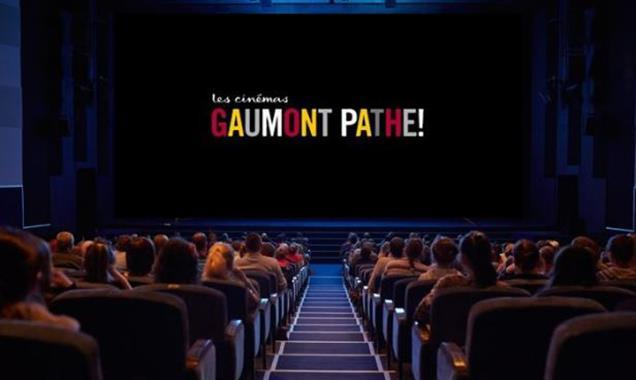
Today, Pathé operates as both a cinema exhibitor and film distributor, maintaining a network of modern multiplexes while preserving a connection to cinema’s origins. Its theaters are not merely screening venues; they are curated spaces where storytelling, technology, and audience engagement intersect.
This dual identity—historical authority combined with contemporary relevance—explains why moments like Jugnot’s promotional visit resonate beyond a single film release.

“Laughter Is Like Windshield Wipers”
At the Strasbourg premiere, Jugnot distilled his artistic philosophy into a single line:
“Laughter is like windshield wipers: it doesn’t stop the rain, but it keeps you moving!”
The quote encapsulates a broader principle that aligns closely with cinema’s role in society. Films do not eliminate hardship or uncertainty, but they offer perspective, relief, and continuity.
In Mauvaise Pioche, Jugnot plays a retiree mistakenly identified as the fugitive Xavier Dupont de Ligonnès—a narrative that blends real-world intrigue with comedic reinterpretation. This approach reflects a long-standing cinematic tradition: transforming unsettling or complex realities into accessible, often humorous narratives.
Cinema as Social Commentary
Jugnot’s creative method is rooted in observation:



“I always choose characters I could have been myself at some point.”
This statement underscores a key dimension of cinema, particularly within the European tradition associated with Pathé and similar institutions: the portrayal of everyday individuals navigating extraordinary or absurd circumstances.
The actor further acknowledges the psychological tension that drives comedic storytelling:
“Like all naturally anxious people, darkness attracts me, and I try to find the antidote with humor.”
This interplay between anxiety and humor is central to the cultural function of cinema. Films become a medium through which societies process uncertainty, critique norms, and explore emotional contradictions.
Collaboration and the Economics of Talent
Another critical element highlighted during the Strasbourg event is the collaborative nature of filmmaking. Jugnot emphasized the importance of working with established performers such as François Morel, Jean-Pierre Darroussin, Michèle Laroque, and Philippe Lacheau.
His description of the cast as “pure Ferraris” points to the economic and creative value of assembling high-caliber talent. In the contemporary cinema industry—where streaming platforms increasingly compete for attention—star power and ensemble chemistry remain decisive factors in theatrical success.
For companies like Pathé, this dynamic reinforces the importance of strategic production and distribution decisions that balance artistic ambition with market viability.
Aging, Creativity, and the Persistence of Curiosity
Approaching his 75th birthday, Jugnot rejects the notion of creative retirement:
“Playing Scrabble in a retirement home isn’t my thing.”
Instead, he frames his career as an ongoing exploration:
“A bit like a child given a whole wardrobe, I’ve already lived hundreds of lives.”
This perspective aligns with a broader industry reality: longevity in cinema is often tied to adaptability and sustained curiosity. Pathé’s historical trajectory mirrors this principle—continuously evolving while retaining its core identity.
The Audience Experience: Why Theaters Still Matter
Despite the rise of digital streaming, theatrical venues continue to offer a distinct value proposition. Events like the Strasbourg premiere illustrate several advantages:
- Collective experience: Shared laughter and emotional reactions amplify the impact of a film
- Event-driven engagement: Premieres, actor appearances, and festivals create cultural moments
- Technical quality: Large screens and advanced sound systems enhance immersion
Pathé’s continued investment in cinema infrastructure reflects confidence in these factors. The theater remains not just a distribution channel, but a cultural institution.
“There Are No Happy Endings in Life…”
Jugnot concluded his visit with a statement that encapsulates both realism and cinematic optimism:
“There are no happy endings in life, it’s good that there are in the movies.”
This observation highlights the fundamental role of cinema: offering narratives that resolve tensions, even when reality does not. In doing so, films provide audiences with a sense of closure, hope, or at least temporary escape.
Looking Ahead: The Future of Pathé and Theatrical Cinema
The broader implications for Pathé and the cinema industry are clear:
- Hybrid models: Balancing theatrical releases with digital distribution
- Event-based programming: Increasing emphasis on premieres, festivals, and live interactions
- Content differentiation: Focusing on unique storytelling that justifies the cinema experience
As audiences become more selective, the success of theatrical cinema will depend on its ability to deliver not just films, but experiences.
Conclusion: A System That Keeps Moving
From its historical roots to its present-day operations, Pathé represents more than a company—it is part of a cultural system that sustains storytelling, collective emotion, and artistic experimentation.
Jugnot’s metaphor of laughter as windshield wipers offers a precise framework: cinema does not eliminate life’s complexities, but it enables audiences to navigate them.
In an era defined by rapid technological change and shifting consumption habits, that function remains both relevant and necessary.