





A Narrative of Fire, Power, and Inequality: The Expanding Screen Presence of Melika Foroutan
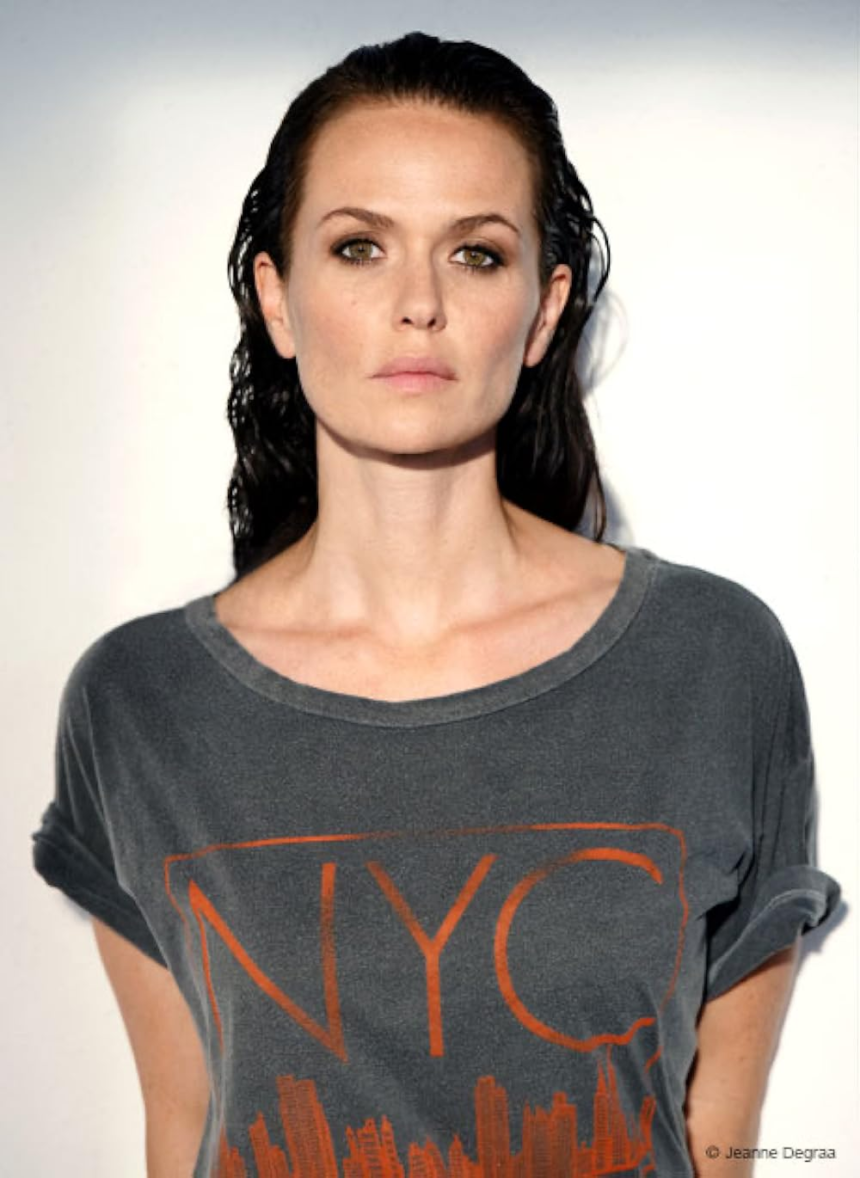
In contemporary European television, few crime series carry the cultural weight and narrative ambition of Tatort. Within this long-running institution, Melika Foroutan has steadily carved out a distinctive space—balancing emotional intensity with restrained authority. Her portrayal of investigator Maryam Azadi in the Frankfurt-based episodes has become central to a new wave of storytelling that blends crime, politics, and social critique.
- A Narrative of Fire, Power, and Inequality: The Expanding Screen Presence of Melika Foroutan
- From Character to Conscience: Maryam Azadi’s Role in “Fackel”
- A City of Contrasts: Frankfurt as a Character in Itself
- Visual Storytelling and Technical Craft
- Corruption, Resistance, and Emotional Stakes
- Expanding Impact: Recognition and Momentum
- Beyond Crime Drama: Cultural and Social Implications
- What Comes Next for Melika Foroutan?
- Conclusion: A Performance That Reflects the Times
The latest episode, “Fackel” (Torch), positions Foroutan at the center of a story that moves beyond conventional crime drama. Instead, it unfolds as a layered narrative about systemic inequality, institutional accountability, and the human cost of neglect.
From Character to Conscience: Maryam Azadi’s Role in “Fackel”
In “Fackel,” Foroutan’s Maryam Azadi partners once again with investigator Hamza Kulina, played by Edin Hasanović. Together, they navigate a case rooted in a catastrophic high-rise fire—an event that sets the tone for the episode’s exploration of responsibility and justice.
The story begins at a memorial site, where victims of the fire are honored. This opening is not merely procedural; it establishes an emotional and moral framework. The investigation quickly expands, revealing layers of obstruction and influence that hinder the search for truth.
At its core, the episode interrogates a pressing question: who bears responsibility when safety is compromised in the pursuit of profit?
A City of Contrasts: Frankfurt as a Character in Itself
The narrative of “Fackel” is deeply tied to its setting. Filming locations across Frankfurt, Eschborn, Offenbach, Oberursel, and Babenhausen create a visual map of socio-economic disparity.

From dense social housing complexes to affluent villa districts, the geography reinforces the thematic divide between power and vulnerability. The high-rise estate in Frankfurt-Seckbach, where the tragedy originates, becomes a symbol of structural neglect—while corporate offices and institutional buildings represent influence and control.
This contrast is not incidental. It reflects a deliberate storytelling choice: to frame crime not as an isolated act, but as a consequence of systemic imbalance.
Visual Storytelling and Technical Craft
The episode’s opening sequence—depicting a high-rise engulfed in flames—was achieved through a combination of visual effects and controlled studio shoots. This technical approach enhances realism while maintaining safety.
Further scenes, such as those set in a material testing laboratory (modeled on facilities at Hochschule RheinMain in Wiesbaden), ground the narrative in authenticity. These environments reinforce the investigative dimension of the story, emphasizing evidence, process, and scientific scrutiny.



The cinematography contributes significantly to the episode’s tone. Skyscrapers are frequently shot from low angles, creating an imposing, almost oppressive visual effect. This stylistic choice mirrors the narrative tension between those “above” and those “below”—a metaphor explicitly inverted in this episode.
Corruption, Resistance, and Emotional Stakes
As the investigation unfolds, the case reveals resistance from powerful figures, including a construction materials producer and his network. Allegations emerge that cost-cutting measures—particularly in facade materials designed for energy efficiency—may have compromised fire safety.
This tension culminates in moments of personal and emotional intensity. Kulina’s outburst—“What exactly is the truth? That this is all one big, corrupt mess!”—captures the frustration of confronting institutional barriers.
Foroutan’s performance anchors these moments. Her portrayal of Azadi is measured yet deeply engaged, offering a counterbalance to Kulina’s emotional volatility. Together, they represent two investigative approaches: one driven by personal connection, the other by disciplined inquiry.
Expanding Impact: Recognition and Momentum
The Frankfurt Tatort team, led by Foroutan and Hasanović, has experienced a rapid rise in recognition. Within six months, three episodes have been produced—an unusually accelerated pace for the series.
This momentum is further underscored by the announcement that the team will receive a prestigious award for their earlier work. Such recognition signals both critical and cultural validation, positioning Foroutan as a central figure in the evolving identity of the franchise.
Beyond Crime Drama: Cultural and Social Implications
“Fackel” operates on multiple levels. While it delivers a compelling investigative narrative, it also engages with broader societal questions:
- The ethics of urban development and construction practices
- The tension between sustainability goals and safety standards
- The lived realities of socio-economically disadvantaged communities
- The role of institutions in either enabling or challenging injustice
Through Azadi, Foroutan becomes a conduit for these themes. Her performance does not merely advance the plot—it contextualizes it within a wider socio-political framework.
What Comes Next for Melika Foroutan?
Despite the current momentum, future Frankfurt episodes may not arrive immediately. The production cycle suggests a pause before the next installment, allowing time for development and refinement.
For Foroutan, this interval represents both a consolidation of her current success and an opportunity for expansion. Her work in Tatort has reinforced her reputation as an actress capable of navigating complex, socially engaged narratives—an increasingly valuable skill in contemporary television.
Conclusion: A Performance That Reflects the Times
Melika Foroutan’s role in “Fackel” illustrates the evolving nature of crime drama. No longer confined to procedural storytelling, the genre now serves as a platform for examining structural inequality, institutional failure, and moral accountability.
Through a combination of strong writing, deliberate visual design, and nuanced performance, Foroutan contributes to a narrative that resonates beyond the screen. In doing so, she not only elevates her character but also reinforces the cultural relevance of Tatort in a changing media landscape.