

Lollapalooza 2026: A Festival Redefining the Global Music Landscape
A Headliner-Driven Summer Returns to Chicago
The release of the Lollapalooza 2026 lineup signals more than just another summer festival—it marks a strategic shift in how global music events are curated, marketed, and experienced. Set against the backdrop of Chicago’s iconic Grant Park, this year’s edition runs from July 30 through August 2, bringing together a cross-generational, genre-fluid roster designed to reflect the current state of the music industry.
- A Headliner-Driven Summer Returns to Chicago
- A Strategic Lineup: Why 2026 Feels Different
- Beyond Headliners: A Deep and Diverse Roster
- Economic Impact: Lollapalooza as a Revenue Engine
- Ticketing and Access: The Demand Curve Begins
- Cultural Positioning: More Than Just a Festival
- Historical Context: From Touring Festival to Global Brand
- What to Expect: Audience Experience and Atmosphere
- Looking Ahead: The Future of Lollapalooza
- Conclusion: A Festival Reflecting Its Moment
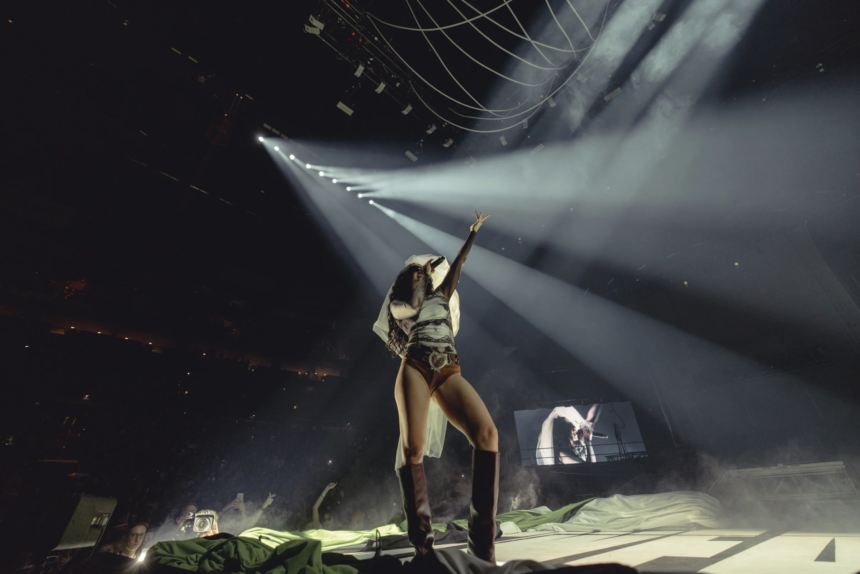
The headline slate is notably diverse and commercially calibrated. Leading the bill are Charli XCX, Tate McRae, Lorde, Olivia Dean, John Summit, Jennie, The Smashing Pumpkins, and The xx—a lineup that blends pop dominance, alternative legacy acts, and electronic music’s continued ascent.
At a glance, the composition appears deliberate: female-led pop artists occupy a central position, signaling both cultural relevance and audience demand shifts.
A Strategic Lineup: Why 2026 Feels Different
Female Artists Take Center Stage
One of the defining characteristics of the 2026 lineup is the prominent positioning of female headliners. Artists such as Charli XCX, Tate McRae, Lorde, and Olivia Dean represent different tiers of contemporary pop—from experimental hyperpop to mainstream chart success.

This is not incidental. It reflects broader consumption patterns where female artists increasingly dominate streaming platforms and global charts. The festival’s programming aligns with these metrics, reinforcing Lollapalooza’s role as both a trend follower and a trend amplifier.
Legacy Meets Modern Relevance
The inclusion of The Smashing Pumpkins, a Chicago-rooted band, adds historical continuity. Their return is particularly notable given they have not played a domestic Lollapalooza since 1994. This creates a layered audience appeal—bridging longtime fans with newer generations.

Similarly, The xx provide an alternative anchor, while John Summit represents the surging influence of electronic dance music in festival ecosystems.
Beyond Headliners: A Deep and Diverse Roster
While headliners drive ticket sales, the broader lineup defines the festival’s depth. The 2026 edition expands its reach across genres and geographies, featuring artists such as:
-
aespa
-
Lil Uzi Vert
-
Turnstile
-
YUNGBLUD
-
Beabadoobee
-
Ethel Cain
-
Empire of the Sun
-
Major Lazer
-
Zara Larsson
-
Freddie Gibbs
-
Wet Leg
-
Blood Orange
-
Little Simz
This breadth reflects a deliberate diversification strategy. The inclusion of K-pop (aespa), alternative rock (Turnstile), hip-hop (Freddie Gibbs), and electronic acts (Major Lazer) positions the festival as a multi-genre convergence point rather than a niche event.
Economic Impact: Lollapalooza as a Revenue Engine
Lollapalooza’s significance extends beyond music. It functions as a major economic driver for Chicago.
According to tourism data, 3.56 million hotel rooms were booked between June and August, generating approximately $949 million in revenue. While this figure spans the broader summer period, Lollapalooza plays a central role in sustaining that demand.
The implications are clear:
-
Increased hotel occupancy rates
-
Boosted local business activity (restaurants, transport, retail)
-
Enhanced global visibility for Chicago as a cultural destination
In effect, the festival operates as a temporary economic accelerator, compressing tourism activity into a high-intensity window.
Ticketing and Access: The Demand Curve Begins
The release of the lineup initiates the next critical phase: ticket sales. Presale is scheduled to begin Thursday, March 19, a timeline that typically triggers rapid demand spikes.
This process achieves two key outcomes:
-
Price Discovery – Early sales determine perceived market value
-
Demand Signaling – Sell-out speed becomes a proxy for cultural relevance
Historically, Lollapalooza tickets move quickly, and the strength of the 2026 lineup suggests similar patterns.
Cultural Positioning: More Than Just a Festival
Lollapalooza has evolved into a cultural platform, not merely a music event. Its influence now spans:
-
Fashion trends (festival styling, brand collaborations)
-
Social media virality (live clips, fan content, influencer presence)
-
Artist branding (major performances often redefine career trajectories)
The 2026 lineup reinforces this role. Artists like Jennie, for instance, bring global fanbases that extend beyond music into fashion and lifestyle sectors.
Historical Context: From Touring Festival to Global Brand
Originally launched as a touring festival in the early 1990s, Lollapalooza has undergone significant transformation. Today, its Chicago edition serves as the flagship, supported by international versions across South America and Europe.
The return of acts like The Smashing Pumpkins underscores this evolution—connecting the festival’s origins with its present-day global identity.
What to Expect: Audience Experience and Atmosphere
Attendees can expect:
-
Multiple stages with simultaneous performances
-
High-capacity crowds in Grant Park
-
A mix of daytime sets and large-scale night performances
-
Integration of food, art installations, and brand activations
Operationally, city infrastructure also adapts. Road closures, public transport adjustments, and crowd management protocols are standard components of the festival ecosystem.
Looking Ahead: The Future of Lollapalooza
The 2026 edition offers insight into where large-scale festivals are heading:
-
Data-driven lineups based on streaming and audience analytics
-
Global artist integration to capture diverse markets
-
Hybrid cultural experiences blending music, fashion, and digital media
If current trends hold, future editions will likely deepen these strategies, positioning Lollapalooza not just as an event, but as a global entertainment brand with year-round influence.
Conclusion: A Festival Reflecting Its Moment
Lollapalooza 2026 is not simply a continuation of tradition—it is a recalibration. The lineup, economic footprint, and cultural positioning all point toward a festival that is adapting to a rapidly evolving entertainment landscape.
From its female-led headliners to its global artist mix, the event captures a precise snapshot of where music—and its audiences—stand today.
As July approaches, the focus will shift from announcement to execution. But the early indicators are clear: Lollapalooza 2026 is positioned to be one of the most commercially and culturally significant editions in its history.