

Roots Picnic 2026: A High-Stakes Comeback for Philadelphia’s Signature Festival
A Festival at a Turning Point
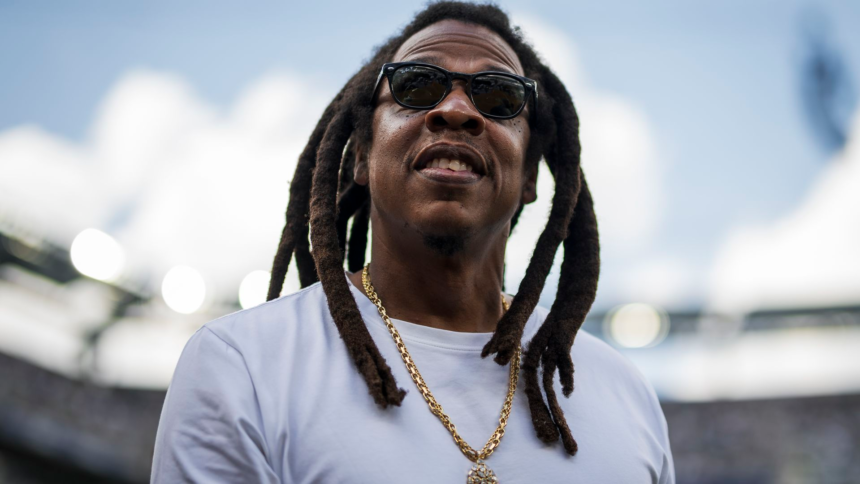
After a turbulent year marked by logistical failures and weather disruptions, the Roots Picnic is positioning itself for a decisive comeback in 2026. The long-running Philadelphia music festival—curated by the legendary hip-hop band The Roots—returns with a renewed vision, a new venue, and a headline-grabbing performer: Jay-Z.
- A Festival at a Turning Point
- Why the 2026 Edition Matters
- Jay-Z and The Roots: A Strategic Reunion
- Venue Shift: From Mann Center to Belmont Plateau
- Rebuilding Trust Through Operational Changes
- Jay-Z’s Philadelphia Connection
- Implications for the Broader Festival Landscape
- Looking Ahead: A Test of Execution and Vision
- Conclusion
Set for May 30–31, 2026, at Belmont Plateau in Fairmount Park, this year’s event represents more than just another installment. It is a calculated reset designed to restore confidence, rebuild its audience experience, and reaffirm its place as one of the city’s defining cultural events.
Why the 2026 Edition Matters
The stakes are unusually high. The 2025 edition left many attendees frustrated, with reports of long entry lines, poor communication, and muddy, rain-soaked conditions. Despite artists continuing to perform, dissatisfaction lingered, with some attendees demanding refunds—requests that organizers declined, citing the festival’s “rain-or-shine” policy.
This context makes the 2026 event critical. Organizers are not merely hosting a festival; they are attempting to repair a brand.
The decision to bring in Jay-Z as a headliner reflects that urgency. His presence alone injects credibility, visibility, and a sense of occasion that signals a major shift in scale and ambition.
Jay-Z and The Roots: A Strategic Reunion
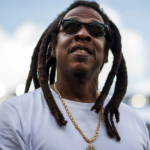
Jay-Z will headline the opening day alongside The Roots, marking a significant reunion between two influential forces in hip-hop. Their collaboration dates back to 2001, when The Roots served as the backing band for Jay-Z’s Unplugged album, part of MTV’s iconic series.


That historical connection adds narrative weight to the booking. It is not simply a headline act—it is a curated moment designed to resonate with long-time fans and reinforce the festival’s musical identity.
For organizers, this pairing is also symbolic. As Shawn Gee, manager of The Roots and president of Live Nation Urban, described it, bringing Jay-Z and The Roots together again represents a “bucket-list moment.” The statement underscores the strategic intent: to elevate the festival beyond routine programming and reframe it as a landmark cultural event.
Venue Shift: From Mann Center to Belmont Plateau
One of the most consequential changes for 2026 is the relocation of the festival. After years at the Mann Center, the Roots Picnic is moving to Belmont Plateau, a more open and expansive area within Fairmount Park.
This move addresses multiple operational issues from the previous year:

-
Crowd flow management: A second entrance is being introduced to reduce congestion and long wait times.
-
Improved accessibility: The new layout is expected to better handle large-scale attendance.
-
Enhanced communication: Organizers are launching an upgraded app and SMS system to keep attendees informed in real time.
The relocation also aligns with broader city ambitions tied to the United States’ 250th anniversary celebrations. According to organizers, discussions with Philadelphia leadership helped inspire a larger vision for the festival’s role within that milestone.
Rebuilding Trust Through Operational Changes
Organizers have explicitly acknowledged past shortcomings. Their response for 2026 is structured around tangible improvements:
-
Additional festival ambassadors stationed both inside and outside the venue
-
Expanded premium experiences for general admission and VIP attendees
-
Enhanced communication channels via mobile and SMS updates
-
Infrastructure adjustments aimed at faster entry and smoother navigation
The messaging—“we heard you, new venue, better experience”—reflects a deliberate effort to rebuild trust with attendees.
This is a critical shift. In large-scale live events, operational execution is as important as the lineup. The success of the 2026 edition will depend as much on logistics as on performance quality.
Jay-Z’s Philadelphia Connection
Jay-Z’s involvement also carries local significance. His ties to Philadelphia run deep, particularly through Roc-A-Fella Records’ early 2000s roster, which featured several Philadelphia artists including Beanie Sigel, Freeway, Peedi Crakk, and Young Chris.
Tracks like “What We Do,” featuring Jay-Z and Beanie Sigel, remain embedded in the city’s cultural identity. His return to headline the Roots Picnic is therefore not just a booking—it is a homecoming of sorts, reinforcing the festival’s connection to Philadelphia’s hip-hop heritage.
Implications for the Broader Festival Landscape
The 2026 Roots Picnic also raises broader questions about the future of major music festivals tied to Jay-Z. Notably, his involvement comes amid uncertainty surrounding the Made in America Festival, which was canceled in both 2023 and 2024 despite its long-standing presence on the Philadelphia calendar.
Observers will be watching closely to see whether the success—or failure—of the Roots Picnic influences decisions about reviving Made in America. While organizers have promised a comeback for that event, no firm details have emerged.
In that sense, the Roots Picnic is more than an isolated event. It may serve as a bellwether for the viability of large-scale urban music festivals in Philadelphia.
Looking Ahead: A Test of Execution and Vision
The 2026 Roots Picnic represents a convergence of ambition, risk, and opportunity. With a high-profile headliner, a redesigned venue, and a series of operational upgrades, organizers are attempting a full-scale reset.
However, expectations are elevated. The festival must deliver on both fronts:
-
Cultural impact: Through performances that justify its reputation
-
Operational reliability: Through a seamless attendee experience
If successful, the event could restore the Roots Picnic’s standing and set a new benchmark for urban music festivals. If not, it risks reinforcing doubts about its long-term sustainability.
Conclusion
The Roots Picnic’s 2026 edition is not simply another festival—it is a strategic comeback shaped by past challenges and future ambitions. By reuniting Jay-Z and The Roots, relocating to Belmont Plateau, and implementing structural improvements, organizers are attempting to redefine the event’s trajectory.
The outcome will determine whether the festival reclaims its position as a cornerstone of Philadelphia’s cultural calendar—or continues to face scrutiny in an increasingly competitive live events landscape.