



Holly Hallstrom and the Hidden Reality of The Price Is Right: A Cultural Reckoning
Introduction: A Familiar Face, a Complicated Story
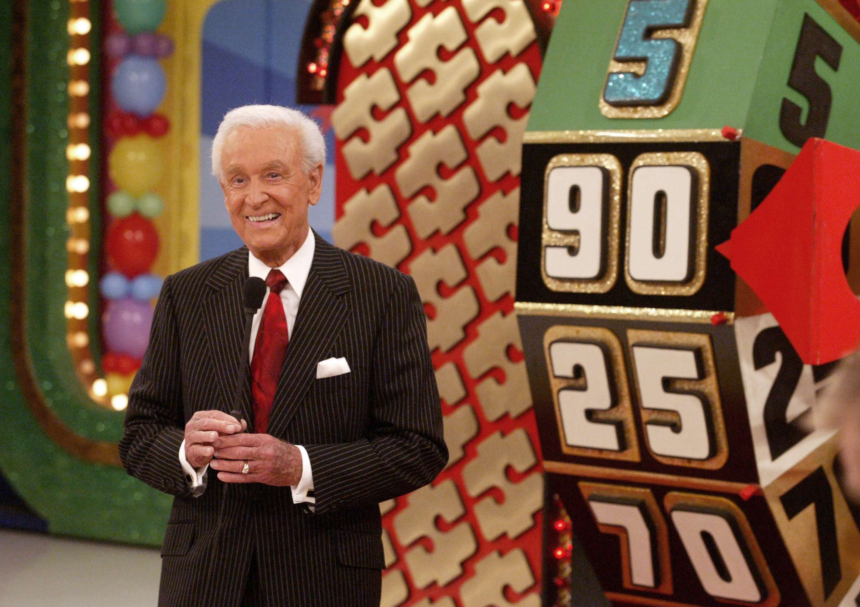
For millions of viewers, The Price Is Right represented lighthearted entertainment—colorful sets, enthusiastic contestants, and the unmistakable presence of Bob Barker. Among the show’s most recognizable figures were the models known as “Barker’s Beauties,” including Holly Hallstrom, who appeared on the program from 1977 to 1995.
- Introduction: A Familiar Face, a Complicated Story
- Inside the Spotlight: Hallstrom’s Years on The Price Is Right
- Allegations of Harassment and a Culture of Silence
- A Complex Portrait of Bob Barker
- Legal Battles: From Dismissal to Vindication
- The Docuseries Effect: Why This Story Matters Now
- Legacy and Cultural Impact
- Conclusion: Beyond Nostalgia
But decades after her time on the show, Hallstrom’s story has resurfaced in a markedly different context—one that challenges the nostalgic image of daytime television. Through interviews and revelations featured in the docuseries Dirty Rotten Scandals, her account contributes to a broader cultural reassessment of workplace conduct, power dynamics, and accountability in entertainment.
This is not merely a retrospective on a television personality. It is a deeper examination of how one woman’s experience intersects with a larger narrative about media, gender, and institutional silence.
Inside the Spotlight: Hallstrom’s Years on The Price Is Right
Holly Hallstrom spent nearly two decades as one of the most visible models on The Price Is Right. As part of “Barker’s Beauties,” she helped define the show’s visual identity during its most influential years.


Her role, like those of her colleagues, was often perceived as glamorous. Yet behind the polished presentation, Hallstrom describes a workplace shaped by uneven power structures and limited protections for women.
In the Dirty Rotten Scandals docuseries, Hallstrom reflects on an environment where concerns about behavior were not taken seriously. One example she cited was the so-called “10-second rule,” introduced after complaints about inappropriate staring.


“There was no one monitoring how long the guys were staring at the models,” she said. “It was a joke. It was an appeasement.”
The measure, in her view, was symbolic rather than substantive—an attempt to create the appearance of reform without addressing underlying issues.
Allegations of Harassment and a Culture of Silence
Hallstrom’s account is reinforced by testimonies from others associated with the show, including producer Barbara Hunter and fellow model Kathleen Bradley.
Hunter described incidents of physical harassment on set, recalling one moment when a colleague behaved inappropriately in an elevator. She stated:
“I had to push him away, I didn’t say anything. It became instinct to know how to handle it.”
According to these accounts, such experiences were not isolated. Instead, they point to a broader culture in which inappropriate behavior was tolerated or minimized.


Hallstrom went further, alleging that complaints to leadership—including Barker himself—would have been dismissed:
“If anyone had gone to Bob… he would have told her to get over it or look for a new job.”
These claims, while disputed by Barker’s representatives, form a central part of the ongoing re-evaluation of the show’s legacy.
A Complex Portrait of Bob Barker
Hallstrom’s perspective on Bob Barker is not limited to workplace conduct. In the same docuseries, she also commented on the personal transformation he underwent following the death of his wife, Dorothy Jo Gideon, in 1981.
She described a period of profound grief:
“He was devastated, really, by her death. There was a long period of mourning.”
However, she also suggested that this period was followed by a shift in his demeanor:
“It was like he was unleashed and turned into this narcissistic egomaniac.”
This characterization aligns with remarks from others, including Hunter, who stated that Barker had struggled deeply after his wife’s passing and even expressed suicidal thoughts.
The resulting portrait is complex—one that blends personal tragedy with professional controversy, raising questions about how grief, power, and public persona intersect.
Legal Battles: From Dismissal to Vindication
Hallstrom’s story extends beyond her time on television into a prolonged legal conflict with Barker.
After leaving the show, she alleged that she had been dismissed due to weight gain caused by medication. Barker denied these claims and filed a lawsuit against her for libel and slander.
The dispute escalated into a high-profile legal battle. Barker eventually dropped his lawsuit shortly before trial, and Hallstrom countersued for wrongful termination and malicious prosecution.
Her reflection on the outcome underscores her determination:
“It was pure stubbornness because I knew I had the truth… and I did.”
The case became one of several legal controversies linked to The Price Is Right, including a separate $8 million sexual harassment lawsuit filed by Dian Parkinson in 1994, which was later withdrawn.
The Docuseries Effect: Why This Story Matters Now
The release of Dirty Rotten Scandals represents more than a retrospective. It arrives at a moment when audiences are increasingly willing to revisit and reassess the cultural institutions of the past.
By foregrounding voices like Hallstrom’s, the series challenges long-standing narratives about beloved television figures and programs. It also raises broader questions:
-
How were workplace complaints handled in earlier eras of television?
-
What mechanisms existed—or failed to exist—for accountability?
-
How should audiences reconcile nostalgia with newly revealed information?
These questions are not unique to The Price Is Right. They reflect a wider cultural shift toward transparency and historical re-evaluation.
Legacy and Cultural Impact
Holly Hallstrom’s story contributes to an evolving understanding of the entertainment industry’s past. It highlights the gap between public image and private experience, particularly for women working in highly visible but often undervalued roles.
Her willingness to speak openly—both in legal proceedings and in recent media—positions her as a key figure in this broader conversation.
At the same time, the story complicates the legacy of Bob Barker, a figure widely celebrated for his contributions to television and animal welfare. His representative has firmly denied allegations of misconduct, emphasizing his enduring popularity and cultural significance.
This tension—between admiration and criticism—is central to the ongoing discourse.
Conclusion: Beyond Nostalgia
The story of Holly Hallstrom is not simply about one individual or one television show. It is about the structures that shaped an era of entertainment—and the voices that are now reshaping its legacy.
As new accounts emerge and older narratives are revisited, the cultural memory of The Price Is Right continues to evolve. What was once seen as uncomplicated entertainment is now understood within a more complex framework—one that includes questions of power, accountability, and truth.
For audiences, the challenge is not just to remember, but to reconsider.