




Irish Pubs, Global Culture: Why the Irish Spirit Thrives Far Beyond Ireland
A Living Tradition in Every Corner of America
On March 17, as St. Patrick’s Day celebrations unfold, Irish pubs across the United States transform into more than just places to eat and drink—they become cultural landmarks. From historic taverns dating back to the 19th century to modern neighborhood bars inspired by Irish heritage, these venues reflect a living tradition that has successfully crossed oceans and generations.
- A Living Tradition in Every Corner of America
- The Irish Pub as a Cultural Institution
- A Nationwide Network of Identity and Experience
- Food, Drink, and the Ritual of Gathering
- Music, Memory, and Atmosphere
- The Role of Reviews and Community Validation
- St. Patrick’s Day: The Annual Cultural Peak
- Adaptation and Longevity in a Changing Market
- A Global Identity Rooted in Local Communities
- Conclusion: More Than a Pint and a Plate
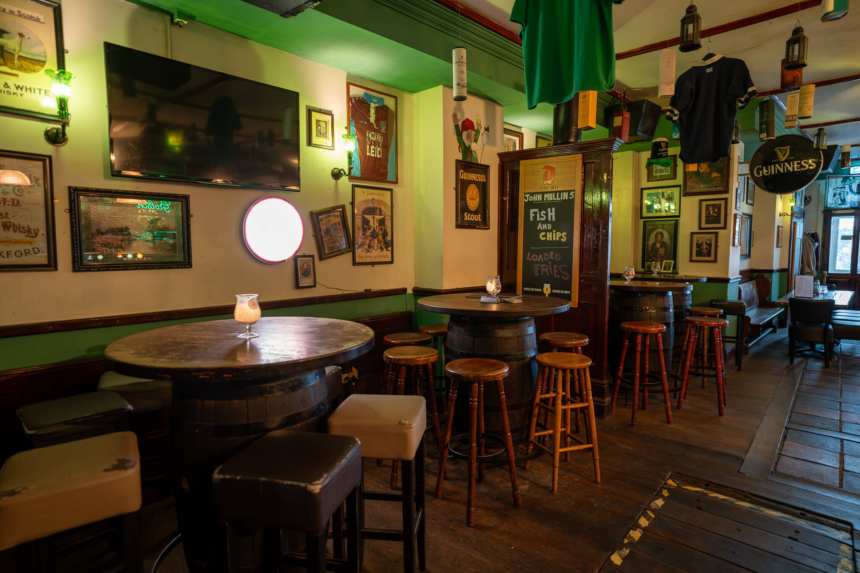
Across cities, towns, and even remote corners, Irish pubs are preparing to serve classic dishes like shepherd’s pie, fish and chips, and bangers and mash, alongside perfectly poured pints of Guinness. Yet what stands out is not just the menu—it is the enduring identity these spaces carry.
The Irish Pub as a Cultural Institution
Irish pubs are not merely themed establishments; they are rooted in a deeply social concept. Historically, pubs in Ireland functioned as community centers—places where stories were shared, music was played, and local identity was reinforced.
That tradition has been carefully replicated abroad. In the United States, iconic venues such as McSorley’s Old Ale House in New York, which dates back to 1854, demonstrate how Irish pub culture has maintained its authenticity over time. With sawdust-covered floors and a famously simple menu, it stands as a reminder that heritage can be preserved even in a rapidly changing urban environment.
Similarly, Kelly’s Logan House in Delaware, opened in 1864, claims to be the oldest continuous family-owned Irish bar in the country. Its long-standing role in St. Patrick’s Day celebrations highlights how these pubs serve as anchors of continuity within their communities.
A Nationwide Network of Identity and Experience
The reach of Irish pub culture in the U.S. is extensive, with each state offering its own interpretation while retaining core elements of authenticity.
In California, Tom Bergin’s—established in 1936—has become a local institution, famous for its Irish coffee and thousands of shamrocks hanging from the ceiling, each representing loyal patrons. This symbolic tradition reflects how Irish pubs create a sense of belonging that extends beyond food and drink.
Further west, Murphy’s Bar and Grill in Honolulu blends Irish tradition with island culture, while still maintaining its reputation as the most historic Irish pub in Hawaii. Meanwhile, in Alaska, Lucky Lady Pub in Juneau attracts both locals and cruise visitors, offering a relaxed, authentic Irish-themed experience within a historic district.
These variations illustrate a key point: Irish pubs adapt to local contexts while preserving their cultural core.
Food, Drink, and the Ritual of Gathering
At the heart of every Irish pub is a menu designed to evoke comfort and familiarity. Classic dishes—corned beef and cabbage, Irish stew, soda bread—are staples, but many establishments incorporate regional twists.
For example:
-
Tim Finnegan’s Irish Restaurant and Pub in Arizona combines traditional fare with inventive dishes like corned beef and cabbage taquitos.
-
Galway Bay Irish Pub in Maryland blends Irish cuisine with local favorites such as crab cakes.
-
Erin Rose in New Orleans pairs Irish coffee with po’boys, reflecting a fusion of Irish and Southern culinary traditions.
Equally important is the drink culture. A well-poured Guinness, a wide selection of Irish whiskeys, and the ritual of sharing rounds are central to the experience. Many pubs, such as Leary’s Landing in Maine with over 50 types of Irish whiskey, emphasize variety and craftsmanship.
Music, Memory, and Atmosphere
Beyond food and drink, Irish pubs are defined by atmosphere. Live music—often featuring traditional Irish instruments—remains a cornerstone. Venues like Jack Quinn’s in Colorado Springs and Chief O’Neill’s in Chicago regularly host performances that recreate the feel of Dublin nightlife.
In Denver, pubs such as The Abbey Tavern and The Irish Rover demonstrate how Irish culture intersects with local communities. From Celtic dance performances to soccer match screenings and trivia nights, these establishments function as multi-purpose cultural hubs.
Even architectural details play a role. Kells Irish Restaurant & Pub in Seattle, located in a building that once served as a mortuary, combines history with folklore, adding a distinctive narrative to the pub experience.
The Role of Reviews and Community Validation
Modern recognition of iconic Irish pubs is increasingly shaped by customer feedback and digital platforms. Many of the most celebrated establishments have earned their reputation through consistent reviews highlighting atmosphere, service, and authenticity.
For instance, Oh Sherri Pub in Alabama is praised for its “nice and inviting” atmosphere, while Dublin Bay Irish Pub & Grill in Iowa is noted for its “local pub feel” and accessible dining experience. These testimonials reinforce the idea that Irish pubs succeed when they cultivate a sense of familiarity and community.
St. Patrick’s Day: The Annual Cultural Peak
While Irish pubs operate year-round, St. Patrick’s Day remains their defining moment. Celebrations often include:
-
Extended hours and themed menus
-
Live music and dance performances
-
Special drinks and whiskey tastings
-
Large-scale community gatherings
In cities like Austin, B.D. Riley’s Irish Pub hosts annual celebrations featuring live music, Irish dancing, and what it describes as “plenty of craic.” Similarly, Murphy’s Grand Irish Pub in Virginia and O’Donovan’s in Minnesota draw significant crowds for their festive events.
The day functions as both a cultural celebration and a commercial peak, highlighting the dual role of Irish pubs as cultural ambassadors and thriving businesses.
Adaptation and Longevity in a Changing Market
Despite their strong cultural identity, Irish pubs have not been immune to broader shifts in the hospitality industry. Some cities have seen a decline in the number of Irish bars, reflecting changing consumer habits and economic pressures.
However, the pubs that remain have demonstrated resilience by adapting:
-
Incorporating modern menu items alongside traditional dishes
-
Hosting diverse events, from trivia nights to comedy shows
-
Leveraging historical branding and storytelling
-
Creating hybrid concepts, such as Pat’s Brew House in Wyoming, which combines an Irish pub with a craft brewery
These strategies allow Irish pubs to remain relevant while preserving their heritage.
A Global Identity Rooted in Local Communities
What emerges from this nationwide landscape is a consistent pattern: Irish pubs succeed because they balance authenticity with adaptability. Whether in a historic East Coast city or a small Midwestern town, they provide a familiar framework—good food, strong drink, and a welcoming atmosphere—while reflecting the character of their surroundings.
They are, in effect, cultural bridges—spaces where Irish traditions meet local identities.
Conclusion: More Than a Pint and a Plate
Irish pubs have evolved into a global phenomenon, yet their essence remains unchanged. They are places where history is preserved, community is built, and culture is shared in tangible ways.
From centuries-old establishments like McSorley’s to newer venues inspired by Irish roots, these pubs demonstrate that tradition, when thoughtfully maintained, can thrive across continents.
As St. Patrick’s Day brings crowds through their doors, the enduring appeal of Irish pubs becomes clear: they offer not just food and drink, but a sense of belonging that transcends geography.