




Sean Hughes: A Legacy Finally Realised After a Decade-Long Legal Battle
The Final Chapter of a Comedian’s Last Wish
Nearly a decade after his death, the story of Sean Hughes—one of Britain and Ireland’s most distinctive comedic voices—has reached an unexpected but fitting conclusion. A High Court ruling has confirmed that his £4 million estate will be transferred to the homelessness charity Shelter, bringing closure to a prolonged legal dispute triggered by a handwritten will.
- The Final Chapter of a Comedian’s Last Wish
- A Will That Sparked Years of Uncertainty
- A Shared Agreement, A Judicial Confirmation
- Shelter’s Gain—and the Broader Social Impact
- The Rise of Sean Hughes: From Alternative Comedy to Mainstream Success
- A Multi-Faceted Creative Career
- Personal Struggles and Final Years
- The Legal Lesson: When Intent Meets Technicality
- A Legacy Reframed
- Conclusion: Closure After a Long Delay
The decision is more than a legal resolution. It is the final affirmation of Hughes’ personal values—ensuring that his wealth supports a cause he deeply believed in. In doing so, it reframes his legacy not just as a performer, but as a figure whose influence now extends into social impact.
A Will That Sparked Years of Uncertainty
At the center of the decade-long saga was a deceptively simple phrase: Hughes’ wish to leave “my three houses to Shelter.”
The complication arose because, legally, Hughes only owned one property outright. The other two were held through a company in which he was the sole shareholder. This discrepancy created ambiguity that required judicial interpretation.
The estate included:
-
A £1.8 million home in Glasslyn Road, Crouch End
-
A £1.5 million property in Edison Avenue
-
A £650,000 flat in Elder Avenue
Combined, these assets formed a substantial property portfolio worth approximately £4 million.



Although Hughes’ family agreed that the intention was for all properties to benefit Shelter, the wording of the will required formal clarification. The matter was ultimately brought before the High Court.
After a short hearing conducted via video link, Master Iain Pester ruled that the “correct construction of the will” meant that the company shares—and therefore the properties—should pass to Shelter.
Had the court ruled differently, the two company-held properties would have been placed into a residuary estate for Hughes’ wider family.
A Shared Agreement, A Judicial Confirmation
Notably, the legal process was not driven by conflict but by necessity. Both legal representatives and family members supported the same outcome.



Barrister Aidan Briggs, representing the executor, and Alexander Learmonth KC, acting for Shelter, confirmed that all parties agreed the charity was the intended beneficiary.
This alignment underscores the procedural nature of the dispute: the court’s role was not to resolve disagreement, but to formalize intent.
Shelter’s Gain—and the Broader Social Impact
The ruling has significant implications for Shelter, a leading UK homelessness charity.
Andy Harris, the organization’s director of income generation, stated:
“Sean Hughes was a passionate supporter of Shelter’s work, and we are enormously grateful for the generous gift left in his will. We have worked closely with Sean’s family to ensure his wishes are honoured.”
He added:
“Gifts left in wills are a vital source of income for Shelter. This donation will enable us to continue to deliver expert support and advice to people impacted by the housing emergency and to campaign for everyone’s right to a safe and secure home.”
From a policy and operational standpoint, legacy donations such as this are critical. They provide long-term funding stability, enabling charities to scale services, advocate for systemic change, and respond to ongoing housing crises.
The Rise of Sean Hughes: From Alternative Comedy to Mainstream Success
Long before his estate became the subject of legal scrutiny, Sean Hughes had already secured his place in comedy history.
Born in Archway, north London, to Irish parents, Hughes spent much of his youth in Dublin. His career began in the late 1980s during the rise of the UK’s alternative comedy movement.
Key milestones include:
-
1987: First performances at The Comedy Store
-
1990: Won the Perrier Comedy Award at just 24 for A One-Night Stand with Sean Hughes
-
Early 1990s: Created and starred in Channel 4’s Sean’s Show
-
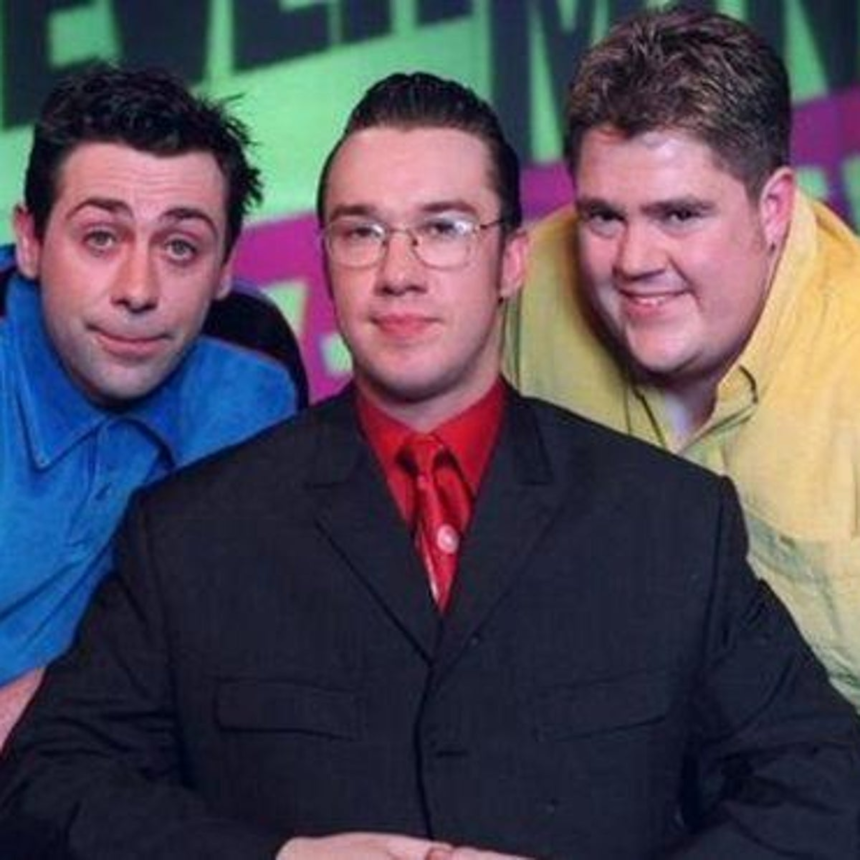
1996–2002: Team captain on Never Mind the Buzzcocks, appearing in 91 episodes across 10 series
His former promoter, Richard Bucknall, described him as:
“a pioneering, groundbreaking comedian who changed comedy with that live show”
What distinguished Hughes was his narrative approach to stand-up—moving beyond punchlines into structured storytelling, a format that would later become standard among contemporary comedians.
A Multi-Faceted Creative Career
Hughes was not confined to stand-up. His creative output spanned multiple disciplines:
-
Television: Cult success with Sean’s Show and mainstream recognition on Never Mind the Buzzcocks
-
Radio: Presenter on BBC 6 Music from 2002
-
Literature: Author of novels and poetry collections
-
Acting: Roles in series such as The Last Detective and appearances in Coronation Street
This versatility positioned him as a cultural figure whose work crossed mediums and audiences.
Personal Struggles and Final Years
Despite his professional achievements, Hughes’ life was marked by personal challenges.
He openly discussed his struggles with alcohol, noting:
“Apparently I’m tedious when sober.”
Although he stopped drinking in 2012, he later resumed. In October 2017, Hughes died at the age of 51 following a cardiac arrest. It was subsequently revealed that he had been suffering from late-stage liver disease.
His death prompted widespread tributes from across the comedy world, reflecting both his talent and the complexity of his personality.
The Legal Lesson: When Intent Meets Technicality
Beyond the personal story, the case highlights a broader issue in estate planning: the risks associated with informal or poorly structured wills.
Hughes drafted his will using an online platform without legal assistance. While this approach is increasingly common, the ambiguity in wording led to:
-
A decade-long delay in executing his wishes
-
The need for High Court intervention
-
Temporary uncertainty over asset distribution
From a legal standpoint, the case reinforces the importance of precise language, especially when dealing with corporate ownership structures and property assets.
A Legacy Reframed
The conclusion of the case allows Hughes’ legacy to be viewed through two lenses:
-
Cultural Impact: A pioneering comedian who reshaped stand-up storytelling
-
Social Contribution: A benefactor whose estate will now support efforts to combat homelessness
What began as a legal complication has ultimately strengthened the narrative of his life—connecting his personal convictions with tangible outcomes.
Conclusion: Closure After a Long Delay
The High Court’s ruling brings closure to a complex legal process and ensures that Sean Hughes’ intentions are finally fulfilled. Nearly ten years after his passing, his £4 million estate will now serve a purpose aligned with his values.
For Shelter, the impact is immediate and practical. For Hughes’ legacy, it is enduring.
The story illustrates how legal clarity, personal intent, and social need can intersect—sometimes imperfectly, but ultimately with meaningful results.