



Uwe Kramm at the Center of a Family Rift: Inside Heino’s Most Public Break
A Private Conflict Becomes Public
For decades, German Schlager icon Heino built his career on nostalgia, warmth, and an image of harmony. Known for celebrating tradition and emotional storytelling through music, the 87-year-old singer rarely allowed glimpses into personal turmoil. That changed abruptly in March 2026.
- A Private Conflict Becomes Public
- The Breaking Point: A Premiere Without a Son
- “The Biggest Disappointment of My Life”
- Silence After Loss: A Key Turning Point
- The Final Step: Disinheritance and Emotional Closure
- A Conflicting Narrative: Vera Kramm Responds
- The Question of Influence: Was There a Third Factor?
- A History of Distance: Not a Sudden Collapse
- Public Image vs. Private Reality
- Broader Implications: Family, Legacy, and Public Accountability
- What Happens Next?
- Conclusion: A Legacy Beyond Music
At the center of this shift is his only son, Uwe Kramm, now publicly identified as the subject of one of the most severe personal statements the singer has ever made. What had long been a strained relationship has escalated into a definitive and very public rupture—one that has drawn attention across Germany’s entertainment landscape.
This is not simply a celebrity disagreement. It is a layered family conflict involving grief, long-standing estrangement, conflicting narratives, and a symbolic decision about legacy and inheritance.
The Breaking Point: A Premiere Without a Son
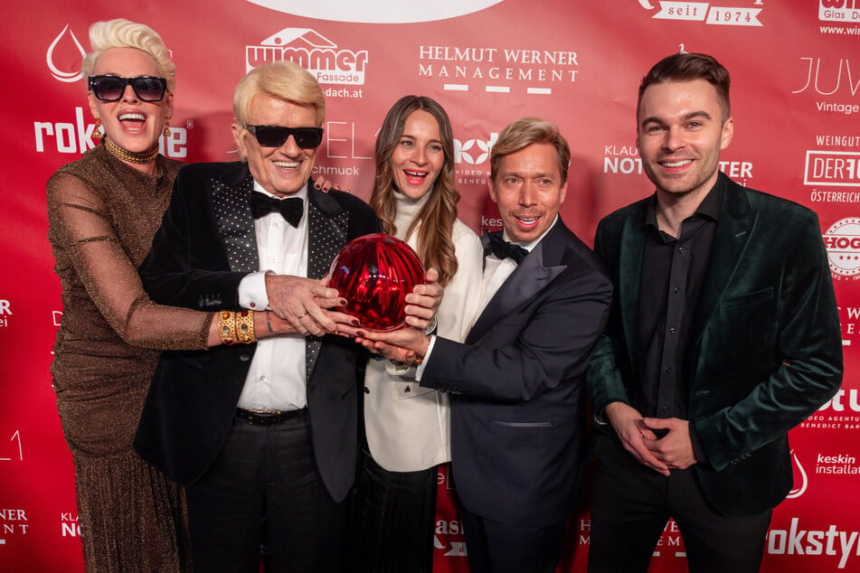
The immediate trigger for renewed public attention came on March 13, 2026, at the premiere of Heino’s television documentary “Heino – Karamba, Karacho, Kult.” Held in Kitzbühel, the event was designed as a celebration of a six-decade career.
High-profile guests attended, including familiar figures from German entertainment. Family members were also present—except one.
Uwe Kramm was not invited.
The omission was not accidental. In subsequent interviews, Heino made it clear that the decision was deliberate, confirming what many had suspected: the relationship had effectively collapsed.
“The Biggest Disappointment of My Life”
In a candid and unusually direct statement, Heino explained his position:
“Mein Sohn Uwe ist leider die größte Enttäuschung meines Lebens. Er hat es zu nichts gebracht, obwohl ich ihn immer unterstützt habe.”
Translated, the sentiment is unmistakable: he views his son as the greatest disappointment of his life.
The criticism extended beyond emotional distance. Heino emphasized years of financial support and claimed a lack of gratitude in return. More significantly, he framed the issue as one of absence—both emotional and physical:



Uwe “hat sich nie um mich und meine Frau Hannelore gekümmert.”
This framing establishes the conflict not merely as a disagreement, but as a perceived failure of familial responsibility.
Silence After Loss: A Key Turning Point
One of the most consequential elements in this dispute is the period following the death of Heino’s wife, Hannelore Kramm, in November 2023.
According to Heino, this moment marked a definitive turning point. He stated:
“I didn’t get any calls from him, neither at Christmas nor on New Year’s Eve, and not on any of my birthdays.”
From his perspective, the absence of contact during these emotionally significant moments signaled a complete breakdown in the relationship. The conclusion he drew was stark:
“So I have to assume that he’s lost interest in me.”
In family dynamics, such perceived silence often carries more weight than overt conflict. Here, it became the justification for a final decision.
The Final Step: Disinheritance and Emotional Closure
The conflict has moved beyond estrangement into formal separation.
Heino has confirmed that Uwe Kramm will not inherit anything from his estate:
“It’s my wish that Uwe doesn’t inherit anything from me now, because he doesn’t deserve it and wouldn’t be able to handle it anyway.”
Instead, the singer has redirected his emotional and practical trust toward his manager, Helmut Werner, whom he now describes in familial terms:
“I consider Helmut my son today because he’s there for me around the clock.”
This decision is significant on multiple levels:
- Emotional substitution: redefining family bonds outside biological ties
- Financial consequences: altering inheritance expectations
- Public symbolism: reinforcing the finality of the break
It signals not a temporary disagreement, but a deliberate restructuring of personal relationships.
A Conflicting Narrative: Vera Kramm Responds
The story, however, is not one-sided.
Vera Kramm has publicly challenged Heino’s account, presenting a fundamentally different interpretation of events.
Her central argument is that the estrangement was not caused solely by Uwe:
“You can’t just cut someone off and then say they’ve broken off contact.”
She highlights instances where the family felt excluded:
- Not invited to Heino’s 80th birthday
- Lack of reciprocal engagement in family milestones
More critically, she reframes Uwe’s motivations:
“It was never about money, but about acceptance he never received from his father.”
This introduces a different emotional core to the conflict—one rooted in unmet expectations and perceived rejection rather than neglect.
The Question of Influence: Was There a Third Factor?
Another layer in the dispute involves the role of Helmut Werner.
Vera Kramm suggests that Werner may have contributed to the deterioration of the father-son relationship. Werner, however, rejects this claim, stating that the rift existed long before his involvement and even required persuasion to bring Uwe into family events such as Hannelore’s funeral.
His assessment:
“The relationship between the two was already broken before that… That Heino is reacting this way now is understandable. It shouldn’t have come to this.”
This introduces a classic dynamic in public family disputes: differing interpretations of external influence versus internal breakdown.
A History of Distance: Not a Sudden Collapse
While the current headlines suggest a sudden fallout, the available details indicate a long-standing estrangement.
Key indicators include:
- Years of strained contact
- Missed family events on both sides
- Gradual emotional distancing
The 2026 developments appear to be the culmination of a prolonged deterioration rather than a single triggering incident.
Public Image vs. Private Reality
The contrast between Heino’s public persona and his private life is striking.
For over 60 years, he has represented stability and emotional warmth in German popular culture. Songs about Heimat (homeland), love, and tradition shaped his identity.
Yet the current situation reveals:
- A deeply fractured family relationship
- Public airing of personal grievances
- A redefinition of legacy beyond traditional family structures
This tension between image and reality has intensified public interest, transforming a private dispute into a broader cultural conversation.
Broader Implications: Family, Legacy, and Public Accountability
The situation raises several broader questions:
1. The Role of Public Disclosure
When private family conflicts become public, they shift from personal matters to cultural narratives. In this case, Heino’s statements have invited scrutiny and debate.
2. Redefining Family
By identifying his manager as a surrogate son, Heino challenges conventional definitions of family and inheritance.
3. Emotional Expectations Across Generations
The dispute highlights differing expectations between parent and child—support versus recognition, presence versus acceptance.
What Happens Next?
Despite the severity of the statements, one element suggests the situation may not be entirely closed.
Vera Kramm indicated that the door remains open—for Heino.
This leaves the future uncertain:
- Reconciliation remains possible, though unlikely in the near term
- Public perception may evolve as more details emerge
- Legacy decisions are already in motion, particularly regarding inheritance
For now, the separation stands as one of the most personal and public chapters in Heino’s life—and places Uwe Kramm at the center of a story that continues to unfold.
Conclusion: A Legacy Beyond Music
The story of Uwe Kramm is inseparable from the broader narrative of a family under strain. It is not defined by career achievements or public appearances, but by a relationship that has reached a decisive breaking point.
For Heino, the decision appears final: emotional distance, legal separation, and a redefined sense of family.
For Uwe Kramm, the public portrayal is contested, shaped as much by rebuttal as by accusation.
What remains is a stark reminder: even the most enduring public figures are not immune to deeply personal fractures—and when those fractures surface, they can reshape both legacy and perception in lasting ways.