






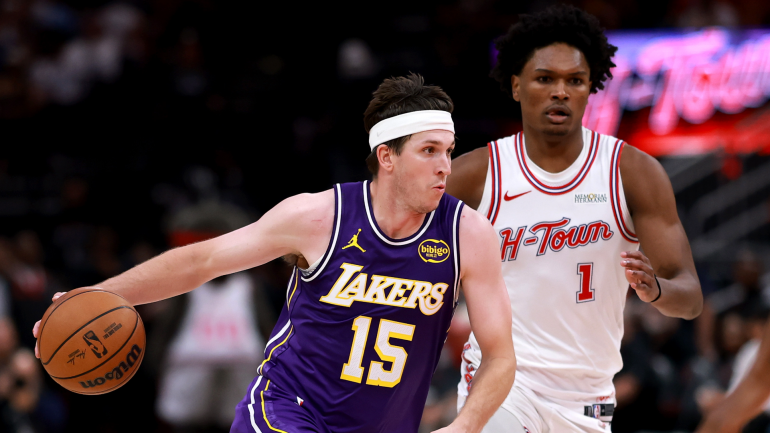
A Conference Defined by Margins, Not Dominance
With less than a month remaining before the 2025–26 NBA regular season concludes on April 12, the Eastern Conference standings have evolved into one of the most competitive playoff races in recent years. Unlike the Western Conference, where separation exists at the top, the East is characterized by compressed standings, tight tiebreakers, and shifting postseason scenarios.
- The Current Eastern Conference Standings (March 19, 2026)
- Detroit Pistons: The Unexpected Powerhouse
- Boston Celtics and New York Knicks: The Pursuit of Position
- Mid-Table Congestion: Seeds 4 Through 6
- The Play-In Line: High Stakes for Seeds 7–10
- Projected First-Round Matchups (If Season Ended Today)
- Eliminated Teams and the Bottom Tier
- Key Trends Shaping the Eastern Conference
- What Comes Next: Timeline to the Playoffs
- Conclusion: A Conference Still in Motion
At the center of this race is a clear leader—but behind them, nearly every seed remains contested.
The Current Eastern Conference Standings (March 19, 2026)
The standings reflect a conference where even a single game can alter playoff positioning:
-
Detroit Pistons (49–19)
-
Boston Celtics (46–23)
-
New York Knicks (45–25)
-
Cleveland Cavaliers (42–27)
-
Toronto Raptors (39–29)
-
Orlando Magic (38–30)
-
Miami Heat (38–31)
-
Atlanta Hawks (38–31)
-
Philadelphia 76ers (37–32)
-
Charlotte Hornets (35–34)
Detroit Pistons: The Unexpected Powerhouse
The Detroit Pistons have emerged as the dominant force in the East, holding a firm grip on the No. 1 seed with a 49–19 record. Crucially, they have already secured the tiebreaker over the Boston Celtics, giving them a structural advantage in maintaining the top position.
Their magic number to clinch the East’s No. 1 seed is 10, signaling that their position is not just strong—it is nearing confirmation.
However, the team faces a significant short-term challenge. Star guard Cade Cunningham has been diagnosed with a collapsed left lung and will miss at least two weeks, introducing uncertainty at a critical stage of the season.
Boston Celtics and New York Knicks: The Pursuit of Position
Behind Detroit, the Boston Celtics occupy the No. 2 seed, but their position is far from secure. They currently hold a two-game lead over the New York Knicks, yet they have lost the season tiebreaker to New York (2–1), which could prove decisive if records converge.
The Knicks, meanwhile, are managing their own pressure. While holding the No. 3 seed, they must fend off the Cleveland Cavaliers, who sit just two games behind.
This layered competition creates a cascading effect:
-
Celtics vs. Knicks: battle for No. 2
-
Knicks vs. Cavaliers: battle for No. 3
-
Cavaliers vs. Raptors: battle for No. 4
Each race is interconnected, meaning a single loss or win can shift multiple playoff matchups.
Mid-Table Congestion: Seeds 4 Through 6
The middle tier of the Eastern Conference is where the standings become particularly volatile.
-
Cleveland Cavaliers (42–27) hold the No. 4 seed and have a slight edge over Orlando in their tiebreaker (2–1).
-
Toronto Raptors (39–29) are just behind, maintaining a narrow margin over the Orlando Magic.
-
Orlando Magic (38–30) remain within striking distance, with mixed tiebreaker outcomes complicating their path upward.
What distinguishes this segment is the minimal separation: only a few games separate three teams, and projections suggest further reshuffling before the regular season ends.
The Play-In Line: High Stakes for Seeds 7–10
The introduction of the SoFi NBA Play-In Tournament has significantly raised the stakes for teams outside the top six. Currently, four teams are locked in a precarious battle:
-
7. Miami Heat (38–31)
-
8. Atlanta Hawks (38–31)
-
9. Philadelphia 76ers (37–32)
-
10. Charlotte Hornets (35–34)
If the season ended today, the Play-In matchups would be:
-
No. 7 Heat vs. No. 8 Hawks
-
No. 9 76ers vs. No. 10 Hornets
What the Play-In Tournament Achieves
The Play-In format is designed to increase competitive intensity late in the season. It allows teams ranked 7–10 to compete for the final two playoff spots, ensuring more franchises remain engaged deeper into the schedule.
How It Works
-
Teams ranked 7 and 8 face off; the winner secures the No. 7 seed.
-
Teams ranked 9 and 10 play an elimination game.
-
The loser of the 7–8 game plays the winner of the 9–10 game for the No. 8 seed.
Given how tightly grouped these teams are, the final standings in this range are highly fluid.
Projected First-Round Matchups (If Season Ended Today)
The current standings would produce the following Eastern Conference playoff bracket:
-
(1) Detroit Pistons vs. Play-In Winner
-
(2) Boston Celtics vs. Play-In Winner
-
(3) New York Knicks vs. (6) Orlando Magic
-
(4) Cleveland Cavaliers vs. (5) Toronto Raptors
These matchups underline a critical point: while the top seeds are stabilizing, the lower half of the bracket remains undefined due to Play-In uncertainty.
Eliminated Teams and the Bottom Tier
Three teams have already been eliminated from postseason contention in the Eastern Conference:
-
Brooklyn Nets
-
Indiana Pacers
-
Washington Wizards
Their early exit reflects a broader gap between the playoff contenders and rebuilding franchises.
Key Trends Shaping the Eastern Conference
1. Tiebreakers Are Becoming Decisive
Multiple teams are separated by only one or two games. As a result, head-to-head results—such as Detroit owning the tiebreaker over Boston—carry disproportionate importance.
2. Compression Across Seeds
From No. 3 to No. 6, and again from No. 7 to No. 10, the standings are tightly packed. This compression increases volatility and ensures daily changes in projections.
3. Injuries Could Shift the Balance
Cade Cunningham’s absence for Detroit highlights how late-season injuries can influence seeding outcomes, particularly in a conference with narrow margins.
What Comes Next: Timeline to the Playoffs
The remaining calendar defines the final stretch:
-
April 12 – Final day of the regular season
-
April 14–17 – SoFi NBA Play-In Tournament
-
April 18 – Start of the NBA Playoffs
-
June 3 – Game 1 of the NBA Finals
This timeline compresses decision-making and intensifies every remaining game.
Conclusion: A Conference Still in Motion
The Eastern Conference standings in 2026 reflect a league in transition—where traditional powerhouses coexist with emerging contenders like Detroit. While the Pistons appear poised to secure the top seed, nearly every other position remains unsettled.
The defining feature of this race is not dominance, but proximity. With multiple teams separated by minimal margins and critical tiebreakers already determined, the final weeks of the season will not simply confirm standings—they will reshape them.
The result is a playoff picture that remains dynamic, unpredictable, and highly sensitive to every game played.