





The Life, Career, and Legacy of Carrie Anne Fleming: A Story of Talent, Resilience, and Quiet Impact
A Sudden Loss That Resonates Across the Industry
The passing of Carrie Anne Fleming at the age of 51 has left a noticeable void in television and theatre communities. Best known for her roles in Supernatural and iZombie, Fleming’s death on February 26 in Sidney, British Columbia, followed complications from breast cancer—a disease that shaped the final chapter of her life.
- The Life, Career, and Legacy of Carrie Anne Fleming: A Story of Talent, Resilience, and Quiet Impact
- From Nova Scotia Roots to the Stage and Screen
- Establishing a Presence in Genre Television
- Supernatural and the Emotional Core of Her Career
- Expanding into Mainstream Television and Film
- A Parallel Commitment to Theatre
- Personal Life and the Bonds That Defined Her
- The Broader Impact: Representation in Genre Television
- The Final Chapter and Industry Response
- Conclusion: A Career Defined by Substance Over Spotlight
Her death was confirmed by her co-star and close friend Jim Beaver, whose deeply personal tribute provided a rare glimpse into both her character and the emotional weight of her loss. He described her as a “powerhouse of vitality and goodwill,” a phrase that has since echoed widely among fans and colleagues.
Fleming is survived by her daughter, Madalyn Rose.
From Nova Scotia Roots to the Stage and Screen
Born on August 16, 1974, in Digby, Nova Scotia, Fleming’s journey into acting was shaped by early exposure to performance arts. After relocating to Victoria, British Columbia, she attended Mount Douglas Senior Secondary and trained rigorously in drama through institutions such as the Kaleidoscope Theatre and the Kidco Theatre Dance Company.
Her formative years were not defined by immediate stardom but by steady development—an approach that would later define her career trajectory. She entered the screen industry with modest roles, including an uncredited appearance in the film Happy Gilmore and a part in the television series Viper.
These early roles, while limited in visibility, laid the technical and professional foundation that enabled her to navigate both mainstream and niche genres with consistency.

Establishing a Presence in Genre Television
Fleming’s breakthrough came through her work in horror and supernatural storytelling—genres that demand both emotional intensity and physical adaptability. Her casting in Masters of Horror in 2005 marked a turning point.
In the episode “Jenifer,” directed by Dario Argento, she portrayed a disfigured woman with cannibalistic tendencies. The role required a balance of vulnerability and menace, positioning her as a compelling performer within the horror niche.
She continued to build this reputation through appearances in productions such as The Tooth Fairy and Bloodsuckers, demonstrating a consistent ability to inhabit complex, often unsettling characters.
Supernatural and the Emotional Core of Her Career
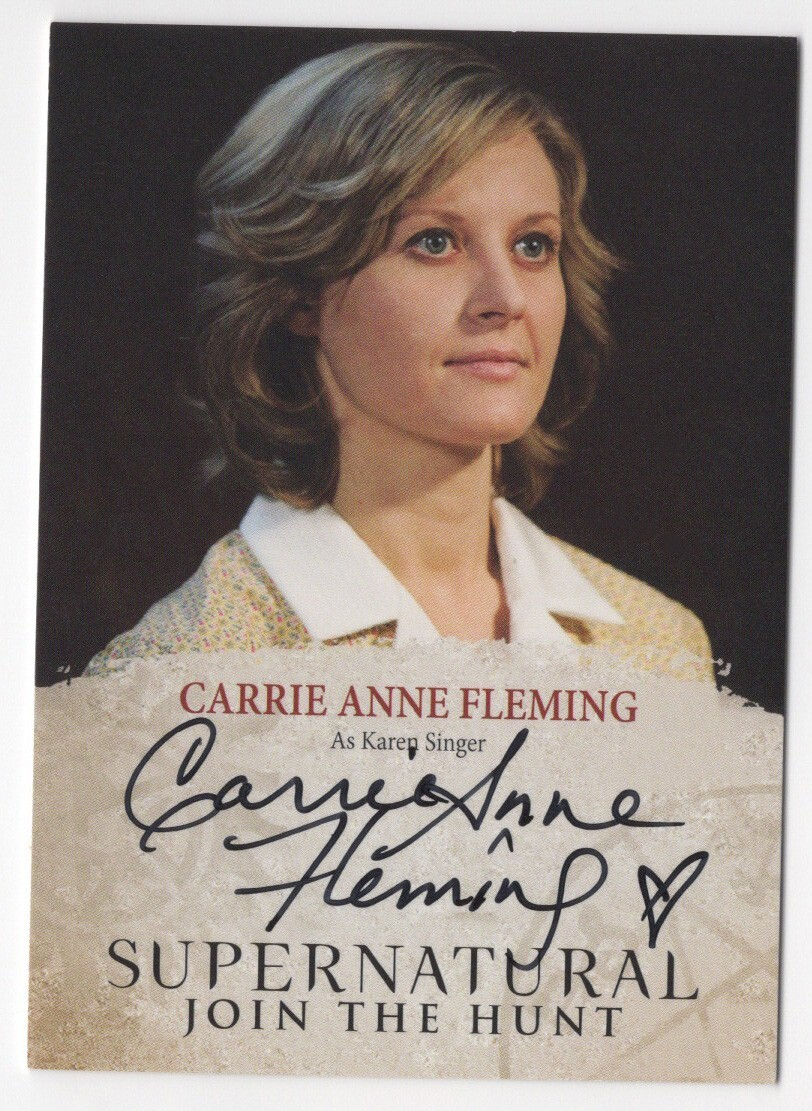
Fleming’s role as Karen Singer in Supernatural remains one of her most recognizable performances. As the wife of Bobby Singer, played by Jim Beaver, her character contributed to the emotional grounding of a show otherwise driven by supernatural conflict.

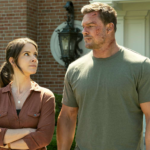
Her on-screen chemistry with Beaver translated into a real-life connection that would later become central to the narrative surrounding her passing. Beaver’s tribute reflects both professional respect and personal attachment:
“To find a soul mate once in life is something of a miracle. To find one twice is almost unimaginable.”
He continued:
“Thursday, I lost Carrie to the same disease. I never thought my heart could break so badly more than once. But it has.”
These statements, preserved exactly as expressed, highlight the depth of their bond and underscore the human dimension behind her public career.
Expanding into Mainstream Television and Film
Beyond Supernatural, Fleming maintained a steady presence across television and film. Her recurring role as Candy Baker in iZombie spanned five seasons, offering her a broader platform within a popular network production.
She also appeared in:
- Smallville
- The L Word
- Supergirl
- Good Luck Chuck
In the 2015 television film The Unauthorized Full House Story, she portrayed the mother of Candace Cameron Bure, further demonstrating her range across genres and formats.
Her career did not rely on headline roles; instead, it was built on consistent, reliable performances that strengthened ensemble casts and enriched storytelling depth.
A Parallel Commitment to Theatre
While television brought her wider recognition, Fleming remained deeply connected to theatre. Her stage work in British Columbia included productions such as:
- Steel Magnolias
- Noises Off
- Romeo and Juliet
This dual commitment—to both screen and stage—reflects a professional discipline often associated with actors who prioritize craft over visibility. Theatre, in particular, allowed her to explore character work in a more immediate and immersive format.
Personal Life and the Bonds That Defined Her
At the center of Fleming’s personal life was her daughter, Madalyn Rose. She was also known for forming meaningful relationships within her professional circle, most notably with Jim Beaver.
One detail that resonated widely was their shared connection through their daughters—both named Madeline Rose—a coincidence Beaver described as “the beginning of a beautiful friendship.”
He further recalled:
“We ran lines of dialogue together in my trailer and talked for hours that first day, and the electricity between us was practically visible.”
These reflections contribute to a broader understanding of Fleming not only as an actress but as a person who fostered strong, enduring connections.
The Broader Impact: Representation in Genre Television
Fleming’s career offers insight into the role of character actors within television ecosystems. While not always positioned as the central figure, such performers are essential to narrative cohesion.
Her work in genre television—particularly horror and supernatural drama—helped shape the tone and emotional depth of multiple productions. In an industry often focused on lead roles and high-profile casting, her contributions illustrate the structural importance of supporting characters.
The Final Chapter and Industry Response
Fleming’s death from breast cancer complications adds to an ongoing conversation about health challenges within the entertainment industry. Her passing, coupled with Beaver’s earlier loss of a partner to the same disease in 2004, underscores the recurring human toll behind public careers.
The response from peers and audiences has been characterized by a consistent theme: respect for her professionalism and admiration for her personality. Beaver’s description of her as having “a rapturous laugh and an utterly adorable personality that didn’t seem to have an off switch” captures this sentiment with precision.
Conclusion: A Career Defined by Substance Over Spotlight
Carrie Anne Fleming’s legacy is not defined by blockbuster fame but by sustained, meaningful contributions across television, film, and theatre. Her career trajectory reflects a model of artistic consistency—one that prioritizes craft, collaboration, and authenticity.
Her passing at 51 marks the end of a career that, while understated in public discourse, held significant value within the industry. For audiences, she remains part of the fabric of shows that defined an era of genre television. For colleagues, she is remembered as both a collaborator and a deeply valued individual.