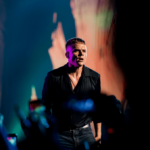







BTS Reunite With ARIRANG: A Cultural Comeback Redefining Global Pop
A Return Years in the Making
After nearly four years of absence shaped by mandatory military service, the full reunion of BTS arrives with unusual weight. This is not a routine comeback. It is a coordinated cultural moment—anchored by the release of ARIRANG on March 20, 2026, and immediately followed by a large-scale live performance in Seoul.
- A Return Years in the Making
- The Album: Where Tradition Meets Global Sound
- “SWIM” and the Mechanics of Immediate Impact
- Seoul as the Epicenter of the Comeback
- The World Tour: Scale, Strategy, and Reach
- A Comeback With Structural Significance
- Cultural Impact Beyond Music
- What Comes Next
- Conclusion: A Restart With Global Consequences
The seven-member group’s return restores one of the most influential forces in global music. With the album’s debut and a world tour imminent, BTS transitions from hiatus into what appears to be a strategically planned new era.
The Album: Where Tradition Meets Global Sound
ARIRANG, the group’s fifth full studio album, operates as both a creative reset and a cultural statement. Its title draws directly from the traditional Korean folk song “Arirang,” signaling a deliberate reconnection with national identity.
The 14-track project blends that heritage with contemporary production. Contributors include Diplo, Mike WiLL Made-It, and Kevin Parker of Tame Impala—names associated with genre fluidity and international appeal. The opening track, Body to Body, establishes a sonic framework that continues across songs such as Hooligan, Aliens, FYA, 2.0, No. 29, SWIM, and Merry Go Round.
Across the album, the thematic structure is consistent: a negotiation between tradition and modernity. The music explores how identity evolves under global visibility—a narrative that parallels BTS’s own trajectory.
In an official statement, the group described the project in precise terms:

“ARIRANG is an album that embodies the origin and identity of BTS and carries the stories of our journey and growth over the past four years.”
This framing positions the album not only as entertainment but as documentation of transformation.
“SWIM” and the Mechanics of Immediate Impact
The lead single, SWIM, functions as the album’s commercial and symbolic centerpiece. Released alongside a nautical-themed music video, the track immediately demonstrated BTS’s retained—and possibly expanded—global reach.
Within 22 minutes, the music video teaser reached 1 million views on YouTube, setting the fastest mark of 2026 and surpassing BLACKPINK’s previous record of three hours.



The track features vocal contributions from RM, Suga, J-Hope, and Jungkook, reinforcing the group’s internal diversity of sound. Production quality and visual scale indicate a recalibrated creative ambition following the hiatus.
Streaming platforms reacted accordingly. Early data shows rapid spikes across Spotify, Apple Music, Amazon Music, and YouTube, with fan reception quickly framing SWIM as a leading contender for song of the year.
Seoul as the Epicenter of the Comeback
The reunion extends beyond digital platforms into a large-scale physical event. BTS launches BTS THE COMEBACK LIVE ARIRANG on March 21, 2026, at 8 PM KST in Seoul’s Gwanghwamun Square.
The logistics are notable:
-
Venue capacity: Approximately 260,000 attendees
-
Format: Free outdoor concert
-
Broadcast: Global livestream via Netflix
-
Security: Elevated alert levels due to expected turnout
This is not a conventional concert—it is a mass public gathering positioned as a symbolic restart. By choosing Gwanghwamun Square, a site associated with national identity and civic life, BTS reinforces the album’s thematic alignment with Korean heritage.
The performance also integrates into a broader media rollout. The documentary BTS: THE RETURN premieres on March 27, offering behind-the-scenes insight into the group’s reassembly.
The World Tour: Scale, Strategy, and Reach
The comeback extends into a multi-continent tour beginning April 9, 2026, with three opening nights in Goyang, South Korea. The tour spans over 70 confirmed dates through 2027, covering Asia, North America, Europe, and Australia.
Key stops include:
-
Tokyo
-
Tampa
-
Hong Kong
-
Manila
-
Gillette Stadium (Massachusetts) – August 5 and 6, featuring 360-degree stage production
Pre-orders for tour tickets sold out rapidly after their January 2026 announcement, indicating sustained demand despite the group’s multi-year absence.
The scale of the tour suggests a deliberate attempt to reassert global dominance, not merely re-enter the market.
A Comeback With Structural Significance
The timing and structure of this return carry broader implications.
BTS last performed collectively in 2022 before entering staggered military service. Their reassembly in 2026 marks the conclusion of a unique phase in which individual obligations temporarily paused one of the most commercially successful music acts in history.
This comeback tests a central question: can BTS resume—and possibly expand—their influence in a transformed global music landscape?
Several factors indicate a strong position:
-
Established global fan infrastructure
-
Cross-platform media integration (music, streaming, documentary)
-
High-profile production collaborations
-
Immediate digital engagement metrics
At the same time, the industry has evolved during their absence, with new acts and shifting consumption patterns. BTS’s strategy appears to address this by combining nostalgia, cultural identity, and forward-looking production.
Cultural Impact Beyond Music
ARIRANG operates within a broader cultural framework. By foregrounding Korean identity in both title and theme, BTS aligns their global brand with cultural export.
This has implications beyond entertainment:
-
Soft power: Reinforces South Korea’s cultural influence globally
-
Industry precedent: Demonstrates how heritage can be integrated into mainstream pop
-
Audience engagement: Deepens emotional connection with both domestic and international fans
The Gwanghwamun performance, in particular, serves as a public cultural event rather than a purely commercial one, blurring the line between concert and national moment.
What Comes Next
The immediate roadmap is clear: live performance, documentary release, and global touring. The longer-term trajectory is less predictable but potentially significant.
If early reception metrics translate into sustained performance, BTS may not only reclaim their pre-hiatus position but redefine their role in the industry. The integration of cultural identity into a global pop framework could become a template for future releases.
The central uncertainty remains whether this phase represents continuation or transformation. Early signals suggest both.
Conclusion: A Restart With Global Consequences
The release of ARIRANG and the launch of BTS’s comeback activities represent more than a return—they signal recalibration. The group re-enters the global stage with a project that merges personal history, national identity, and commercial ambition.
From record-breaking teaser metrics to a 260,000-capacity concert and a 70-date world tour, the scale is unmistakable. The question is no longer whether BTS can return—it is how far this next phase will extend their influence.