






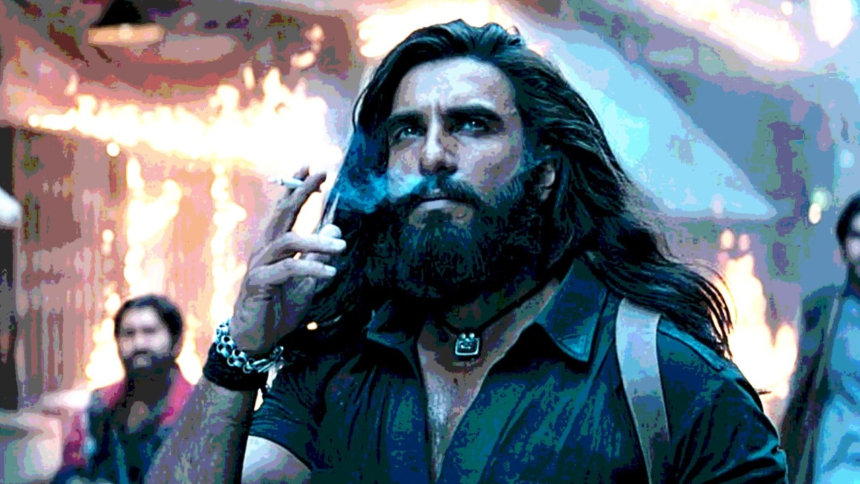
Aditya Dhar: The Architect of India’s Modern Political Blockbuster
A cultural impact and industry analysis
- Introduction: A Director at the Center of a New Cinematic Era
- From Uri to Dhurandhar: Building a Signature Style
- The Dhurandhar Phenomenon: Storytelling Meets Geopolitics
- Inside “Dhurandhar: The Revenge”: Scale, Structure, and Execution
- Technical Precision: The Hallmark of Dhar’s Direction
- Performance as a Narrative Anchor
- The Politics of Entertainment: A Broader Cultural Debate
- Commercial Impact: Redefining Box Office Expectations
- What Comes Next for Aditya Dhar?
- Conclusion: A Filmmaker Defining His Moment
Introduction: A Director at the Center of a New Cinematic Era
In recent years, Aditya Dhar has emerged as one of the most influential filmmakers shaping the trajectory of contemporary Indian cinema. Known for blending high-intensity storytelling with geopolitical themes, Dhar has carved out a distinct space where entertainment intersects with national discourse.
With the release of Dhurandhar: The Revenge, the director once again finds himself at the center of both commercial success and cultural debate. The film is not just a sequel—it is a continuation of a cinematic phenomenon that has drawn global audiences, ignited ideological discussions, and redefined the scale of Hindi-language blockbusters.
This article examines Dhar’s rise, his storytelling approach, the impact of the Dhurandhar franchise, and what his work signals for the future of Indian cinema.
From Uri to Dhurandhar: Building a Signature Style
Aditya Dhar first gained widespread recognition with Uri: The Surgical Strike, a film that combined military realism with emotionally charged storytelling. The success of Uri established Dhar as a filmmaker capable of translating real-world tensions into compelling cinematic narratives.
That foundation expanded significantly with the first installment of Dhurandhar. Released in December, the film:

-
Became India’s highest-grossing film of the year
-
Achieved record-breaking numbers globally, including in North America
-
Maintained strong theatrical occupancy for over two months
-
Dominated streaming charts, including on Netflix
Despite being banned in Pakistan and several Gulf countries, the film’s reach extended through piracy and online discussions, underscoring its cultural penetration.
The sequel, Dhurandhar: The Revenge, builds on this momentum, expanding both its narrative scale and its release footprint across multiple Indian languages.
The Dhurandhar Phenomenon: Storytelling Meets Geopolitics
At the heart of Dhar’s work is a narrative formula that merges:
-
Real-world geopolitical tensions
-
Fictional intelligence operations
-
Character-driven emotional arcs
In Dhurandhar, Ranveer Singh portrays Hamza Ali Mazari, an undercover Indian operative navigating Karachi’s criminal underworld. The storyline draws inspiration from historical events such as:



-
The 1999 hijacking of an Indian passenger plane
-
The 2001 Parliament attacks
-
The 2008 Mumbai attacks
This blending of fiction and reality is central to Dhar’s cinematic identity. However, it is also the source of controversy.
A Divisive Narrative
The Dhurandhar films have sparked intense debate across regions:
-
Pakistani authorities labeled the film “Indian propaganda”
-
The Sindh government criticized its depiction of Lyari
-
Critics raised concerns about nationalism and audience polarization
At the same time, producers such as Jyoti Deshpande have defended the approach:
“Our approach was to present a more nuanced take on patriotism while at the same time remaining highly engaging through immersive storytelling…”
This duality—mass appeal and ideological tension—has become a defining feature of Dhar’s work.
Inside “Dhurandhar: The Revenge”: Scale, Structure, and Execution
The sequel pushes the boundaries of mainstream filmmaking in several ways.
A Four-Hour Narrative Engine
Running close to four hours, the film is structured into seven chapters, including:
-
A Burnt Memory
-
Ghosts from the Past
-
Trial by Fire
-
The Revenge
This segmented storytelling allows Dhar to balance:
-
Backstory exploration
-
Character development
-
High-stakes action sequences
Despite its length, the film maintains engagement through pacing, emotional depth, and recurring narrative payoffs.
Character-Centric Evolution
Unlike the first film, which emphasized external conflict, The Revenge focuses heavily on the internal struggles of its protagonist:
-
Jaskirat Singh Rangi’s dual identity
-
His emotional disconnect from family
-
The moral complexity of espionage
This shift adds psychological depth to a genre often dominated by spectacle.
Technical Precision: The Hallmark of Dhar’s Direction
One of the most consistently praised aspects of Dhar’s filmmaking is technical execution.
Key Technical Strengths
-
Music: Shashwat Sachdev delivers an “electrifying background score” that amplifies key sequences
-
Cinematography: Vikash Nowlakha’s visual framing enhances realism and immersion
-
Editing: Shivkumar V. Panicker ensures pacing rarely falters despite the long runtime
-
Production Design: Sets closely resemble real-world environments, strengthening authenticity
These elements combine to produce what critics describe as “one of the best technically crafted film franchises in recent Indian cinema.”
Performance as a Narrative Anchor
The film’s emotional weight is carried primarily by its cast.
Standout Performances
-
Ranveer Singh: Widely praised for a “mindblowing” portrayal, balancing intensity and vulnerability
-
R. Madhavan: Leaves a strong impression in limited but impactful sequences
-
Arjun Rampal and Sanjay Dutt: Deliver consistent supporting performances
The ensemble approach ensures that even secondary characters contribute meaningfully to the narrative.
The Politics of Entertainment: A Broader Cultural Debate
Aditya Dhar’s films exist at the intersection of cinema and political discourse.
Key Points of Contention
-
The portrayal of India-Pakistan relations
-
The use of real events in fictional narratives
-
The emotional impact of nationalist storytelling
Critics argue that such films risk intensifying existing tensions. As one critic noted:
“The issue is when you incite an audience… you’re propagating the anger in a populace that’s already angry.”
At the same time, supporters view these films as:
-
Tributes to national security forces
-
Expressions of patriotism
-
High-quality entertainment grounded in realism
This polarized reception reflects the broader societal debates surrounding identity, history, and media influence.
Commercial Impact: Redefining Box Office Expectations
The Dhurandhar franchise has set new benchmarks:
-
Over 1000 crores in box office revenue for the first installment
-
Strong international performance, particularly in North America
-
Significant pre-sales for the sequel
-
Sustained streaming success
Notably, this success was achieved even with:
-
Regional bans
-
Political controversies
-
Divisive critical reception
This suggests that Dhar’s films operate beyond traditional market constraints, driven by audience engagement and word-of-mouth momentum.
What Comes Next for Aditya Dhar?
Looking ahead, Dhar’s trajectory raises several possibilities:
Industry Trends Influenced by Dhar
-
Long-Form Cinema: Extended runtimes with structured storytelling may become more common
-
Geopolitical Narratives: Increased focus on real-world conflicts as cinematic material
-
Technical Investment: Higher production standards across mainstream films
-
Pan-Indian Releases: Multi-language strategies to maximize reach
Dhar’s work signals a shift toward cinema that is not only commercially viable but also culturally consequential.
Conclusion: A Filmmaker Defining His Moment
Aditya Dhar is not merely directing films—he is shaping a movement within Indian cinema. His work combines technical precision, narrative ambition, and cultural relevance in ways that few filmmakers currently achieve.
With Dhurandhar: The Revenge, he has demonstrated the ability to meet—and in many ways exceed—sky-high audience expectations. At the same time, he continues to provoke debate about the role of cinema in reflecting and influencing society.
Whether viewed as a master storyteller, a nationalist filmmaker, or a polarizing cultural figure, one conclusion is difficult to dispute: Aditya Dhar is redefining what a modern Indian blockbuster can be.