






Introduction: More Than a Spin-Off
When Creed arrived in 2015, it carried a significant burden: extending the legacy of the iconic Rocky franchise while establishing its own identity. What followed was not merely a continuation of a beloved boxing saga, but the emergence of a modern cinematic franchise that redefined sports storytelling for a new generation.
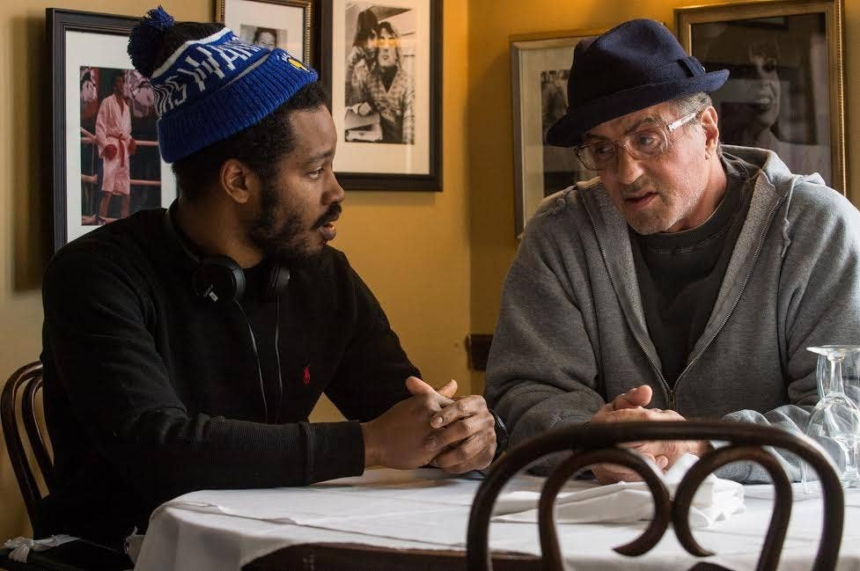
At the center of this transformation was director Ryan Coogler, whose journey—from financial struggle to global recognition—mirrors the underdog spirit embedded in the film itself. His collaboration with Michael B. Jordan created a powerful narrative both on and off screen, shaping Creed into a cultural milestone.
Origins: Reinventing a Legendary Franchise
The Creed movie introduced audiences to Adonis “Donnie” Creed, the son of Apollo Creed, a legendary figure from the Rocky universe. Rather than relying solely on nostalgia, the film took a deliberate narrative risk: shifting the emotional center away from Rocky Balboa and toward a younger, more complex protagonist.
Director Ryan Coogler approached the project with a clear vision—honor the past, but build something new. His storytelling emphasized identity, legacy, and personal struggle, themes that resonated strongly with modern audiences.

At the time of filming, Coogler himself was navigating personal and financial uncertainty. He later revealed:
“I was always 200 grand in debt for film school. It was bad.”
Despite these constraints, he crafted a film that balanced character-driven drama with high-intensity sports action—an approach that distinguished Creed from traditional boxing films.
The Breakthrough: Performance, Direction, and Authenticity
A key factor in Creed’s success was the performance of Michael B. Jordan as Adonis Creed. His portrayal combined physical intensity with emotional vulnerability, redefining what a boxing protagonist could represent.
Meanwhile, Sylvester Stallone reprised his role as Rocky Balboa, delivering a nuanced performance that bridged generations of viewers.
Coogler’s direction elevated the film further. His use of long takes—particularly in fight sequences—created a visceral, immersive experience that placed audiences directly inside the ring.
The result was both critical acclaim and commercial success, positioning Creed as more than a spin-off—it became a foundational reboot of the franchise.
From Creed to Global Success: The Coogler–Jordan Partnership
The success of Creed laid the groundwork for a long-term creative partnership between Coogler and Jordan. That collaboration would extend into major projects, including blockbuster hits and award-winning films.
A decade after Creed, Coogler’s career reached another milestone with the film Sinners. The project achieved:
-
$365 million worldwide box office
-
Four Oscar wins at the 98th Academy Awards
-
Best Actor for Michael B. Jordan
-
Best Original Screenplay for Coogler
This trajectory—from a filmmaker “making no money” during Creed to an Oscar-winning director—underscores how pivotal the movie was in shaping modern Hollywood careers.
The Creative Philosophy Behind Creed
Coogler’s storytelling approach is grounded in personal experience and mentorship. Reflecting on his early inspiration, he credited a teacher who helped redirect his path:
“I’m standing here in front of you guys because an English professor, a creative writing professor at St. Mary’s College named Rosemary Graham, read something that I wrote the first assignment when I was 17 years old and said, ‘Hey, I think you should go to Hollywood and write screenplays.’”
This emphasis on mentorship and authenticity is evident throughout Creed. The film’s emotional core—its exploration of identity, belonging, and self-worth—mirrors Coogler’s own journey.
He later reinforced this idea while discussing audience reception:
“To be honest, I’m incredibly grateful that people engaged with it at the theater. You realize that when you’re writing what matters to you, oftentimes matters to other people.”
Cultural and Industry Impact
1. Redefining Legacy Franchises
Creed demonstrated that legacy franchises could evolve without losing their essence. Instead of relying on nostalgia alone, it introduced new characters and perspectives, ensuring long-term relevance.
2. Expanding Representation in Hollywood
The film placed a Black protagonist at the center of a major sports franchise, contributing to broader representation in mainstream cinema.
3. Elevating Sports Drama
By blending intimate character storytelling with innovative cinematography, Creed set a new standard for sports films.
4. Influencing Future Projects
The success of Creed influenced how studios approach spin-offs and reboots—prioritizing character depth and directorial vision over formulaic storytelling.
The Lasting Legacy of Creed
Today, Creed is widely regarded as one of the most successful franchise revivals in modern cinema. Its impact extends beyond box office numbers or awards—it reshaped how audiences engage with familiar stories.
For Ryan Coogler, the film represents a turning point. From significant student debt to directing Oscar-winning productions, his journey reflects the very narrative arc that Creed celebrates: resilience, opportunity, and transformation.
Conclusion: A Story That Mirrors Its Creator
The enduring appeal of Creed lies in its authenticity. It is not simply a film about boxing—it is a story about identity, mentorship, and perseverance.
The parallels between the film’s narrative and Coogler’s own career trajectory add an additional layer of meaning. Both the character of Adonis Creed and the filmmaker behind him embody the same principle: success is rarely immediate, but with persistence and purpose, it becomes inevitable.
As Hollywood continues to evolve, Creed remains a benchmark—proof that legacy stories can be reimagined with depth, relevance, and lasting cultural impact.