




The Witcher: When a Fantasy Giant Lost Its Way — And What Hollywood Learned
A Franchise Built on Depth, Then Rewritten on Screen
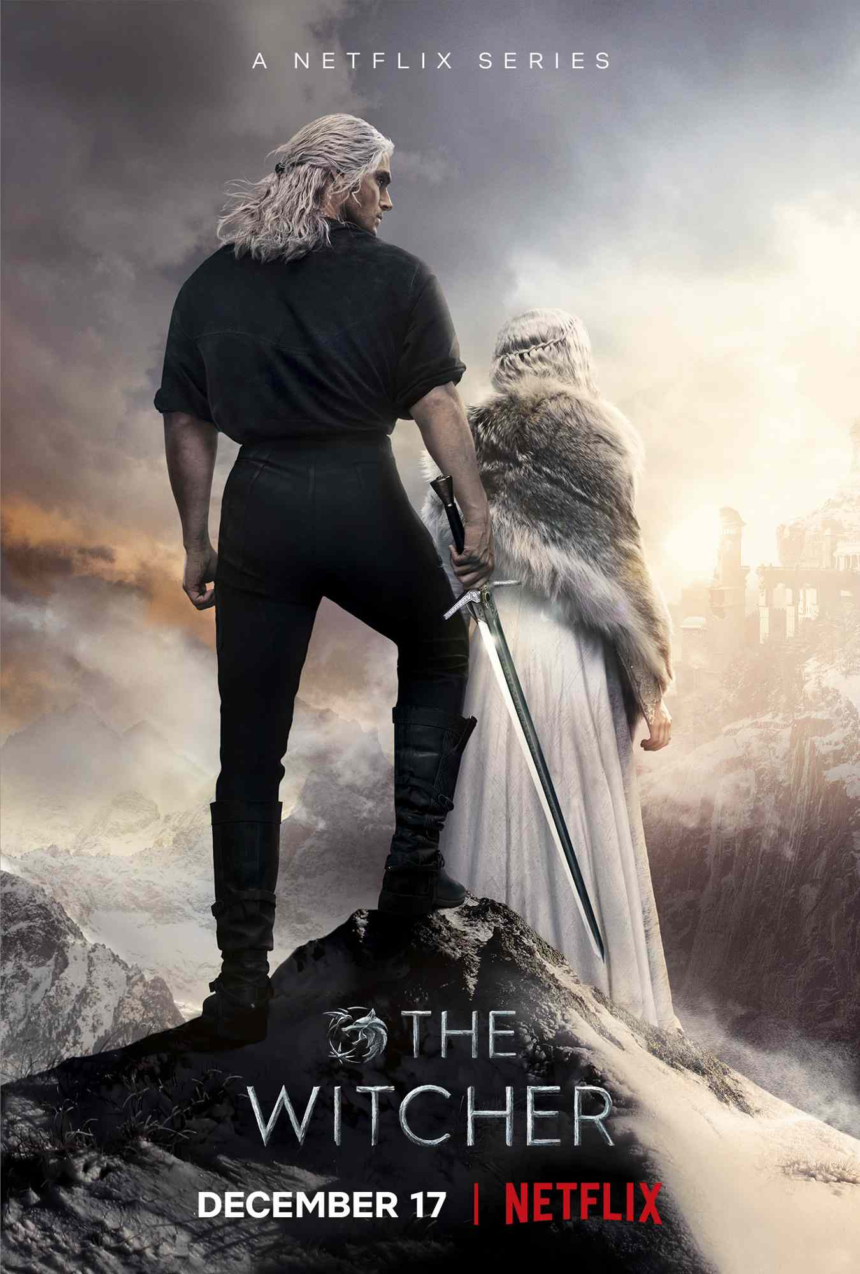
Few modern fantasy properties arrived with as much built-in credibility as The Witcher. Originating from the novels of Andrzej Sapkowski and later amplified by the global success of CD Projekt Red’s video games, the story of Geralt of Rivia was already a proven cultural force before it reached Netflix.
- A Franchise Built on Depth, Then Rewritten on Screen
- The Core Issue: Adaptation vs Interpretation
- A Turning Point: Henry Cavill’s Exit
- Season 2 and the #NotMyWitcher Effect
- A Direct Contrast: Lessons from One Piece
- Production Philosophy: The Hidden Variable
- Cultural and Industry Implications
- What Comes Next for The Witcher?
- Conclusion: A Case Study in Adaptation Strategy
When Netflix launched The Witcher in 2019, expectations were precise and demanding. Audiences were not simply looking for another fantasy spectacle—they wanted fidelity to a richly layered narrative known for its moral ambiguity, philosophical undertones, and deeply human relationships.
Initially, the series found traction, driven largely by Henry Cavill’s portrayal of Geralt. However, what followed became a case study in adaptation strategy—specifically, how deviation from source material can reshape audience perception and long-term viability.
The Core Issue: Adaptation vs Interpretation
At the center of the debate surrounding The Witcher is a structural tension: should an adaptation remain faithful, or should it reinterpret the source?
Under showrunner Lauren S. Hissrich, the series took a decisively interpretive approach. Rather than closely adapting Sapkowski’s books, the production leaned toward original storytelling, often diverging from established character arcs and thematic foundations.
One of the most cited examples is the adaptation of “The Sword of Truth” short story. Critics argue that the emotional foundation—particularly the early bond between Geralt and Ciri—was either underdeveloped or fundamentally altered. In narrative terms, this represents a failure in character continuity, where the internal logic of relationships is weakened.
This deviation did not go unnoticed. Audience sentiment gradually shifted, particularly among readers and long-time fans, who viewed the changes as a departure from the essence of the original work.
A Turning Point: Henry Cavill’s Exit
The situation escalated when Henry Cavill exited the series—an event that carried symbolic and practical consequences.
Cavill had been publicly associated with a strong commitment to the source material. His departure, widely interpreted as dissatisfaction with the creative direction, became a defining moment in the show’s trajectory.
From a production standpoint, replacing a lead actor in a character-centric series introduces several risks:
-
Narrative discontinuity
-
Audience disengagement
-
Brand dilution
Netflix moved forward by casting Liam Hemsworth as Geralt. While continuity mechanisms were introduced, the shift reinforced an already growing perception that the series had drifted away from its original identity.
Season 2 and the #NotMyWitcher Effect
By the release of Season 2, the divergence from the source material became more pronounced. Storylines were restructured, character motivations were altered, and entirely new narrative paths were introduced.
The reaction coalesced into a broader cultural response, often summarized by the hashtag #NotMyWitcher. This was not simply a critique of plot changes—it was a rejection of the adaptation philosophy itself.
From an industry perspective, this reflects a critical dynamic:
-
Fans of established IP (intellectual property) are not passive consumers.
-
Deviations are evaluated not only on creativity but on alignment with core themes.
-
Emotional authenticity often outweighs spectacle.
Streaming performance reportedly narrowed to the most dedicated segment of the audience, indicating reduced mainstream engagement.
A Direct Contrast: Lessons from One Piece
While The Witcher struggled with adaptation fidelity, Netflix simultaneously found success with another major project: One Piece.
One Piece adopted a fundamentally different production model. Crucially, creator Eiichiro Oda was directly involved in:
-
Casting decisions
-
Script development
-
Final edits
This level of creator oversight ensured that—even when details changed—the core narrative identity remained intact.
For example, the Season 2 episode “Good Whale Hunting” adapts the Reverse Mountain arc, retaining the emotional and thematic structure of the original anime. While certain plot mechanics were adjusted, the central elements—such as the encounter with Crocus and the emotional resolution involving Laboon—remained faithful.
This approach illustrates a key principle:
Adaptation flexibility is viable only when anchored in narrative authenticity.
Production Philosophy: The Hidden Variable
The divergence between The Witcher and One Piece is not merely creative—it is structural.
The Witcher’s Model
-
Showrunner-driven narrative reinterpretation
-
Limited direct involvement from the original author
-
Emphasis on new story arcs
One Piece’s Model
-
Creator-integrated production
-
High fidelity to source material themes
-
Changes made with explicit narrative intent
This contrast highlights a broader industry lesson: governance of creative direction matters as much as budget or scale.
Cultural and Industry Implications
The trajectory of The Witcher has broader implications beyond a single series.
1. The Rise of “Fidelity Expectations”
Audiences increasingly expect adaptations to preserve:
-
Character integrity
-
Core themes
-
Narrative tone
2. Creator Involvement as a Success Factor
Projects with active creator participation tend to:
-
Maintain consistency
-
Build fan trust
-
Achieve stronger long-term engagement
3. Streaming Economics and Retention
In a competitive streaming environment, retention is driven not just by initial viewership but by:
-
Narrative continuity
-
Fan loyalty
-
Cultural relevance
What Comes Next for The Witcher?
Despite its challenges, The Witcher remains a valuable IP with global recognition. The introduction of Liam Hemsworth signals Netflix’s intent to continue the series, but the strategic question is clear:
Will the show recalibrate toward the source material, or continue its independent trajectory?
Future success will likely depend on:
-
Re-establishing emotional continuity between key characters
-
Aligning narrative arcs with core themes from Sapkowski’s work
-
Rebuilding trust with the fan base
Conclusion: A Case Study in Adaptation Strategy
The Witcher is no longer just a fantasy series—it is an industry case study.
It demonstrates that scale, budget, and star power cannot compensate for a perceived loss of narrative authenticity. In contrast, projects like One Piece show that even the most unconventional stories can succeed if handled with structural respect for their origins.
For Hollywood, the lesson is direct:
Adaptation is not about changing the story—it is about translating its essence.